
Գրանիտը մագմատիկ ապար է, որը արդյունահանվում է իր ծայրահեղ ամրության, խտության, դիմացկունության և կոռոզիայի նկատմամբ դիմադրության համար: Սակայն գրանիտը նաև շատ բազմակողմանի է. այն նախատեսված է ոչ միայն քառակուսիների և ուղղանկյունների համար: Իրականում, մենք վստահորեն աշխատում ենք գրանիտե բաղադրիչների հետ, որոնք նախագծված են բոլոր ձևերի, անկյունների և կորերի, կանոնավոր հիմունքներով՝ գերազանց արդյունքներով:
Մեր ժամանակակից մշակման շնորհիվ կտրված մակերեսները կարող են լինել բացառիկ հարթ: Այս հատկությունները գրանիտը դարձնում են իդեալական նյութ՝ անհատական չափերի և դիզայնի մեքենաների հիմքեր և չափագիտական բաղադրիչներ ստեղծելու համար: Գրանիտը.
■ մեքենայական
■ կտրելուց և ավարտելուց հետո ճշգրտորեն հարթ
■ ժանգի դիմացկուն
■ դիմացկուն
■ երկարատև
Գրանիտե բաղադրիչները նույնպես հեշտ են մաքրվում: Անհատական դիզայններ ստեղծելիս համոզվեք, որ ընտրեք գրանիտը դրա գերազանց առավելությունների համար:
Ստանդարտներ / Բարձր մաշվածության կիրառություններ
ZHHIMG-ի կողմից մեր ստանդարտ մակերեսային թիթեղների արտադրանքի համար օգտագործվող գրանիտը պարունակում է քվարցի բարձր պարունակություն, ինչը ապահովում է ավելի մեծ դիմադրություն մաշվածության և վնասման նկատմամբ: Մեր Superior Black գույները ունեն ջրի կլանման ցածր մակարդակ, ինչը նվազագույնի է հասցնում ձեր ճշգրիտ չափիչների ժանգոտման հավանականությունը թիթեղների վրա ամրացնելիս: ZHHIMG-ի կողմից առաջարկվող գրանիտի գույները հանգեցնում են ավելի քիչ շողշողունության, ինչը նշանակում է թիթեղներն օգտագործող անձանց համար ավելի քիչ աչքերի լարվածություն: Մենք ընտրել ենք մեր գրանիտի տեսակները՝ հաշվի առնելով ջերմային ընդարձակումը՝ այս ասպեկտը նվազագույնի հասցնելու համար:
Անհատականացված դիմումներ
Երբ ձեր կիրառումը պահանջում է հատուկ ձևերով, պտուտակավոր ներդիրներով, ակոսներով կամ այլ մեխանիկական մշակումով թիթեղ, ապա դուք պետք է ընտրեք այնպիսի նյութ, ինչպիսին է Black Jinan Black-ը: Այս բնական նյութն առաջարկում է գերազանց կարծրություն, գերազանց թրթռումների մարում և բարելավված մեխանիկական մշակում:
Կարևոր է նշել, որ միայն գույնը քարի ֆիզիկական հատկությունների ցուցիչ չէ: Ընդհանուր առմամբ, գրանիտի գույնը ուղղակիորեն կապված է հանքանյութերի առկայության կամ բացակայության հետ, որոնք կարող են որևէ ազդեցություն չունենալ մակերեսային թիթեղների լավ նյութ կազմող հատկությունների վրա: Կան վարդագույն, մոխրագույն և սև գրանիտներ, որոնք հիանալի են մակերեսային թիթեղների համար, ինչպես նաև սև, մոխրագույն և վարդագույն գրանիտներ, որոնք բացարձակապես անհարմար են ճշգրիտ կիրառման համար: Գրանիտի կարևորագույն բնութագրերը, քանի որ դրանք վերաբերում են դրա օգտագործմանը որպես մակերեսային թիթեղների նյութ, որևէ կապ չունեն գույնի հետ և հետևյալն են.
■ Կոշտություն (ծանրաբեռնվածության տակ շեղում - նշված է առաձգականության մոդուլով)
■ Կարծրություն
■ Խտություն
■ Հագեցման դիմադրություն
■ Կայունություն
■ Ծակոտկենություն
Մենք փորձարկել ենք բազմաթիվ գրանիտե նյութեր և համեմատել դրանք։ Վերջապես մենք ստացանք արդյունքը. Ջինանի սև գրանիտը լավագույն նյութն է, որը մենք երբևէ ճանաչել ենք։ Հնդկական սև գրանիտը և հարավաֆրիկյան գրանիտը նման են Ջինանի սև գրանիտին, բայց դրանց ֆիզիկական հատկությունները զիջում են Ջինանի սև գրանիտին։ ZHHIMG-ն շարունակելու է փնտրել աշխարհում ավելի շատ գրանիտե նյութեր և համեմատել դրանց ֆիզիկական հատկությունները։
Ձեր նախագծի համար հարմար գրանիտի մասին ավելին իմանալու համար, խնդրում ենք կապվել մեզ հետ։info@zhhimg.com.
Տարբեր արտադրողներ օգտագործում են տարբեր ստանդարտներ։ Աշխարհում կան բազմաթիվ ստանդարտներ։
DIN ստանդարտը, ASME B89.3.7-2013-ը կամ GGG-P-463c (գրանիտե մակերեսային թիթեղներ) դաշնային սպեցիֆիկացիան և այլն՝ որպես դրանց տեխնիկական բնութագրերի հիմք։
Եվ մենք կարող ենք արտադրել գրանիտե ճշգրիտ ստուգման թիթեղներ՝ ըստ ձեր պահանջների: Կարող եք կապվել մեզ հետ, եթե ցանկանում եք իմանալ ավելի շատ տեղեկություններ այլ ստանդարտների մասին:
Հարթությունը կարելի է դիտարկել որպես մակերեսի վրա գտնվող բոլոր կետերի տեղակայումը երկու զուգահեռ հարթություններում՝ հիմքի հարթություն և տանիքի հարթություն: Հարթությունների միջև հեռավորության չափումը մակերեսի ընդհանուր հարթությունն է: Այս հարթության չափումը սովորաբար ունի որոշակի հանդուրժողականություն և կարող է ներառել աստիճանի նշում:
Օրինակ, երեք ստանդարտ դասարանների հարթության հանդուրժողականությունները սահմանվում են դաշնային տեխնիկական բնութագրում, ինչպես որոշվում է հետևյալ բանաձևով.
■ Լաբորատոր AA աստիճան = (40 + անկյունագծային քառակուսի/25) x .000001" (միակողմանի)
■ Ստուգման աստիճան A = լաբորատոր աստիճան AA x 2
■ Գործիքների սենյակի B դաս = լաբորատորիայի AA դաս x 4:
Ստանդարտ չափի մակերեսային թիթեղների համար մենք երաշխավորում ենք հարթության հանդուրժողականություն, որը գերազանցում է այս տեխնիկական բնութագրի պահանջները: Բացի հարթությունից, ASME B89.3.7-2013 և Federal Specification GGG-P-463c-ը վերաբերում են այնպիսի թեմաների, ինչպիսիք են՝ կրկնակի չափման ճշգրտությունը, մակերեսային թիթեղների գրանիտի նյութական հատկությունները, մակերեսի մշակումը, հենարանային կետի տեղադրությունը, կոշտությունը, ստուգման ընդունելի մեթոդները, պտուտակավոր ներդիրների տեղադրումը և այլն:
ZHHIMG գրանիտե մակերեսային և գրանիտե ստուգիչ թիթեղները համապատասխանում կամ գերազանցում են այս տեխնիկական բնութագրում նշված բոլոր պահանջները: Ներկայումս գրանիտե անկյունային թիթեղների, զուգահեռականների կամ գլխավոր քառակուսիների համար որևէ սահմանող տեխնիկական բնութագր չկա:
Եվ դուք կարող եք գտնել այլ ստանդարտների բանաձևերըՆԵՐԲԵՌՆԵԼ.
Նախ, կարևոր է թիթեղը մաքուր պահել: Օդային հղկող փոշին սովորաբար թիթեղի մաշվածության ամենամեծ աղբյուրն է, քանի որ այն հակված է խրվել աշխատանքային մասերի և չափիչների շփման մակերեսների մեջ: Երկրորդ, ծածկեք ձեր թիթեղը՝ այն փոշուց և վնասներից պաշտպանելու համար: Մաշվածության ժամկետը կարող է երկարացվել՝ թիթեղը չօգտագործելու դեպքում ծածկելով, պարբերաբար պտտելով թիթեղը, որպեսզի որևէ հատված չափազանց չօգտագործվի, և չափիչի վրա պողպատե շփման բարձիկները փոխարինելով կարբիդային բարձիկներով: Բացի այդ, խուսափեք թիթեղի վրա սնունդ կամ գազավորված ըմպելիքներ դնելուց: Նկատի ունեցեք, որ շատ գազավորված ըմպելիքներ պարունակում են կամ ածխաթթու, կամ ֆոսֆորական թթու, որը կարող է լուծարել ավելի մեղմ հանքանյութերը և մակերեսին փոքր փոսիկներ թողնել:
Սա կախված է ափսեի օգտագործման եղանակից։ Հնարավորության դեպքում խորհուրդ ենք տալիս մաքրել ափսեն օրվա սկզբում (կամ աշխատանքային հերթափոխով) և կրկին վերջում։ Եթե ափսեն կեղտոտվի, մասնավորապես յուղոտ կամ կպչուն հեղուկներով, այն հավանաբար պետք է անմիջապես մաքրել։
Թիթեղը պարբերաբար մաքրեք հեղուկով կամ ZHHIMG Waterless մակերեսային թիթեղի մաքրող միջոցով: Մաքրող լուծույթների ընտրությունը կարևոր է: Եթե օգտագործվում է ցնդող լուծիչ (ացետոն, լաքի նոսրացուցիչ, սպիրտ և այլն), գոլորշիացումը կսառեցնի մակերեսը և կաղավաղի այն: Այս դեպքում անհրաժեշտ է թողնել, որ թիթեղը նորմալանա օգտագործելուց առաջ, հակառակ դեպքում չափման սխալներ կառաջանան:
Թիթեղի նորմալացման համար անհրաժեշտ ժամանակը կախված է ափսեի չափից և սառեցման քանակից: Մեկ ժամը բավարար կլինի փոքր ափսեների համար: Մեծ ափսեների համար կարող է անհրաժեշտ լինել երկու ժամ: Եթե օգտագործվում է ջրային հիմքով մաքրող միջոց, կլինի նաև որոշակի գոլորշիացնող սառեցում:
Թիթեղը նաև կպահպանի ջուրը, և դա կարող է առաջացնել մակերեսի հետ շփվող մետաղական մասերի ժանգոտում: Որոշ մաքրող միջոցներ չորանալուց հետո կպչուն մնացորդ կթողնեն, որը կգրավի օդային փոշին և իրականում կմեծացնի մաշվածությունը, այլ ոչ թե կնվազեցնի այն:
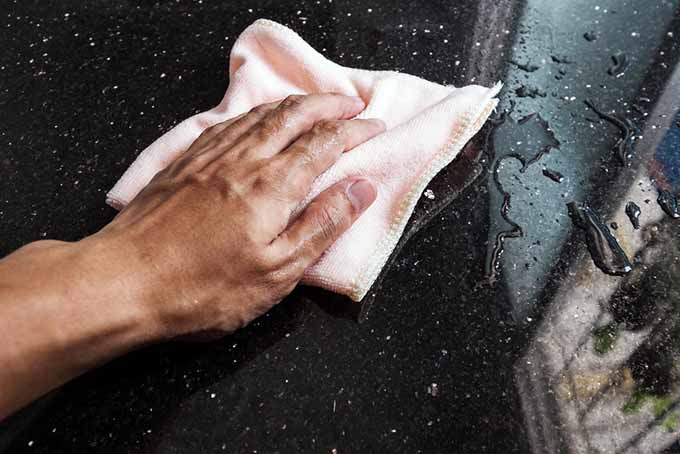
Սա կախված է թիթեղի օգտագործումից և միջավայրից: Մենք խորհուրդ ենք տալիս, որ նոր թիթեղը կամ ճշգրիտ գրանիտե լրասարքը լրիվ վերակարգավորվի գնումից հետո մեկ տարվա ընթացքում: Եթե գրանիտե մակերեսային թիթեղը հաճախակի օգտագործման է ենթարկվելու, խորհուրդ է տրվում կրճատել այս ժամանակահատվածը մինչև վեց ամիս: Էլեկտրոնային մակարդակով կամ նմանատիպ սարքով կրկնվող չափման սխալների ամսական ստուգումը կցուցադրի զարգացող մաշվածության կետերը և կտևի ընդամենը մի քանի րոպե: Առաջին վերակարգավորման արդյունքները որոշվելուց հետո, տրամաչափման ժամանակահատվածը կարող է երկարաձգվել կամ կրճատվել՝ ձեր ներքին որակի համակարգի թույլատրելի կամ պահանջվող համաձայն:
Մենք կարող ենք առաջարկել ծառայություն՝ օգնելու ձեզ ստուգել և կարգավորել ձեր գրանիտե մակերեսային թիթեղը։

Կալիբրացիաների միջև տատանումների մի քանի հնարավոր պատճառներ կան.
- Մակերեսը լվացվել է տաք կամ սառը լուծույթով չափաբերումից առաջ, և նորմալացման համար բավարար ժամանակ չի տրվել։
- Թիթեղը սխալ է հենված
- Ջերմաստիճանի փոփոխություն
- Սևագրեր
- Արևի ուղիղ լույսը կամ այլ ճառագայթային ջերմությունը ափսեի մակերեսին։ Համոզվեք, որ վերևի լուսավորությունը չի տաքացնում մակերեսը։
- Ձմռան և ամռան միջև ուղղահայաց ջերմաստիճանի գրադիենտի տատանումները (եթե հնարավոր է, իմացեք ուղղահայաց գրադիենտի ջերմաստիճանը տրամաչափման կատարման պահին):
- Առաքումից հետո ափսեին բավարար ժամանակ չի տրվել նորմալանալու համար
- Ստուգիչ սարքավորումների ոչ պատշաճ օգտագործումը կամ չկարգավորված սարքավորումների օգտագործումը
- Մակերեսի փոփոխություն մաշվածության հետևանքով
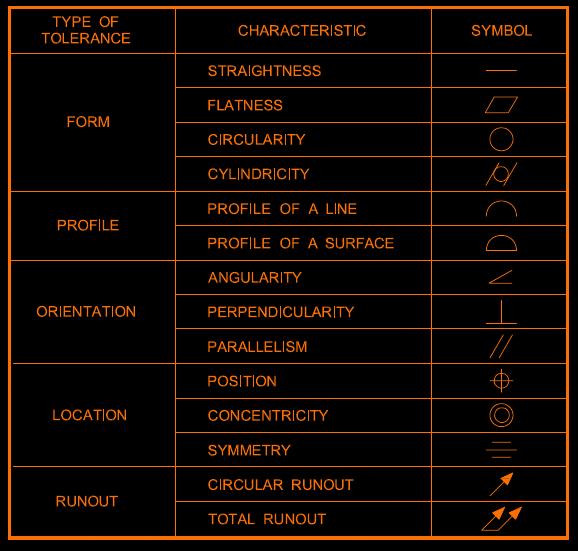
Քանի՞ տեսակի անցքեր կան ճշգրիտ գրանիտի վրա։
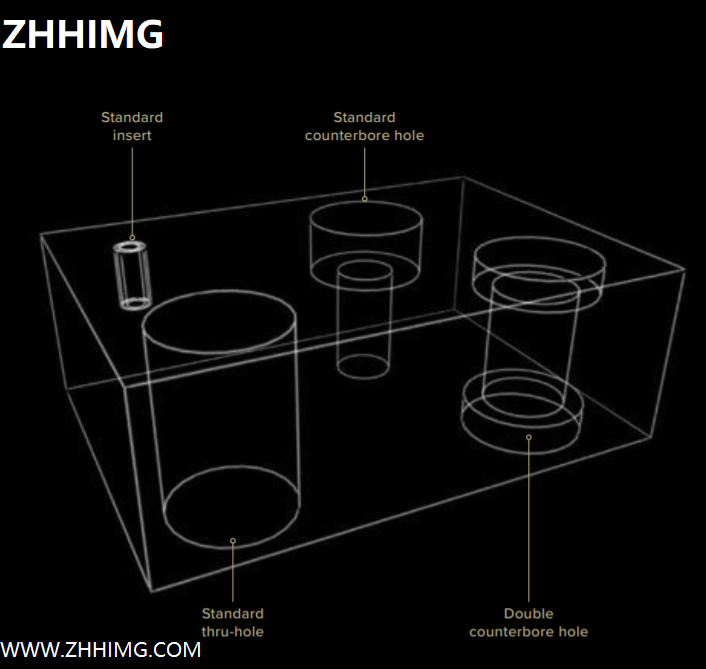
Ճշգրիտ գրանիտե բաղադրիչների վրա անցքեր
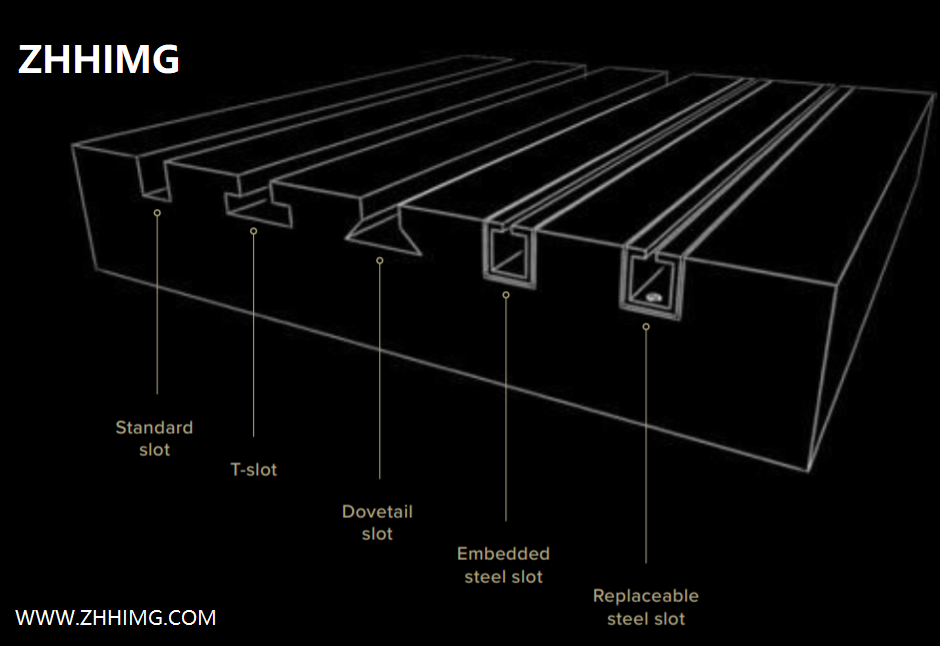
Շատ գործարանների, ստուգման սենյակների և լաբորատորիաների համար ճշգրիտ չափման հիմք են հանդիսանում ճշգրիտ գրանիտե մակերեսային թիթեղները: Քանի որ յուրաքանչյուր գծային չափում կախված է ճշգրիտ հենակետային մակերեսից, որից վերցվում են վերջնական չափերը, մակերեսային թիթեղները ապահովում են լավագույն հենակետային հարթությունը աշխատանքային ստուգման և մեքենայական մշակումից առաջ դասավորության համար: Դրանք նաև իդեալական հիմք են բարձրության չափումներ կատարելու և մակերեսները չափելու համար: Ավելին, բարձր հարթությունը, կայունությունը, ընդհանուր որակը և վարպետությունը դրանք դարձնում են լավ ընտրություն բարդ մեխանիկական, էլեկտրոնային և օպտիկական չափման համակարգերի տեղադրման համար: Այս չափման գործընթացներից յուրաքանչյուրի համար անհրաժեշտ է պահպանել մակերեսային թիթեղների տրամաչափումը:
Կրկնել չափումները և հարթությունը
Թե՛ հարթության, թե՛ կրկնվող չափումները կարևոր են ճշգրիտ մակերես ապահովելու համար: Հարթությունը կարելի է համարել որպես մակերեսի բոլոր կետերի տեղակայում երկու զուգահեռ հարթությունների՝ հիմքի և տանիքի հարթությունների միջև: Հարթությունների միջև հեռավորության չափումը մակերեսի ընդհանուր հարթությունն է: Այս հարթության չափումը սովորաբար ունի որոշակի հանդուրժողականություն և կարող է ներառել աստիճանի նշում:
Երեք ստանդարտ դասարանների հարթության հանդուրժողականությունները սահմանվում են դաշնային տեխնիկական բնութագրում, որոնք որոշվում են հետևյալ բանաձևով.
DIN ստանդարտ, GB ստանդարտ, ASME ստանդարտ, JJS ստանդարտ... տարբեր երկիր՝ տարբեր դիրքորոշմամբ...
Ավելի մանրամասն տեղեկություններ ստանդարտի մասին։
Հարթությունից բացի, պետք է ապահովվի կրկնելիություն: Կրկնակի չափումը տեղային հարթության մակերեսների չափում է: Դա չափում է, որը կատարվում է թիթեղի մակերեսի ցանկացած մասում և կրկնվում է նշված թույլատրելի սահմաններում: Տեղային մակերեսի հարթության կարգավորումը ընդհանուր հարթությունից ավելի խիստ թույլատրելի սահմանաչափով երաշխավորում է մակերեսային հարթության պրոֆիլի աստիճանական փոփոխություն, այդպիսով նվազագույնի հասցնելով տեղային սխալները:
Որպեսզի մակերեսային թիթեղը համապատասխանի թե՛ հարթության, թե՛ կրկնակի չափման պահանջներին, գրանիտե մակերեսային թիթեղների արտադրողները պետք է իրենց պահանջների համար հիմք ընդունեն GGG-P-463c դաշնային չափորոշիչը: Այս ստանդարտը վերաբերում է կրկնակի չափման ճշգրտությանը, մակերեսային գրանիտե թիթեղի նյութական հատկություններին, մակերեսի մշակմանը, հենման կետի տեղադրությանը, կոշտությանը, ստուգման ընդունելի մեթոդներին և պտուտակավոր ներդիրների տեղադրմանը:
Թիթեղի ճշգրտության ստուգում
Հետևելով մի քանի պարզ ուղեցույցների՝ գրանիտե մակերեսային սալիկի մեջ կատարված ներդրումը պետք է տևի երկար տարիներ: Կախված սալիկի օգտագործումից, արտադրամասի միջավայրից և պահանջվող ճշգրտությունից, մակերեսային սալիկի ճշգրտության ստուգման հաճախականությունը տարբեր է: Ընդհանուր կանոնն այն է, որ նոր սալիկը պետք է լրիվ վերակարգավորվի գնումից հետո մեկ տարվա ընթացքում: Եթե սալիկը հաճախակի է օգտագործվում, խորհուրդ է տրվում այս ժամանակահատվածը կրճատել մինչև վեց ամիս:
Մինչև մակերեսային թիթեղը ընդհանուր հարթության համար սահմանված սահմաններից ավելի մաշվի, այն կցուցադրի մաշված կամ ալիքավոր հենարաններ: Կրկնակի չափման սխալների ամսական ստուգումը՝ կրկնակի ցուցմունքի չափիչով, կբացահայտի մաշվածության կետերը: Կրկնակի ցուցմունքի չափիչը բարձր ճշգրտության սարք է, որը հայտնաբերում է տեղային սխալը և կարող է ցուցադրվել բարձր խոշորացման էլեկտրոնային ուժեղացուցիչի վրա:
Արդյունավետ ստուգման ծրագիրը պետք է ներառի ավտոկոլիմատորով կանոնավոր ստուգումներ, որոնք ապահովում են ընդհանուր հարթության իրական կարգավորումը, որը կարելի է հետևել Ստանդարտների և տեխնոլոգիաների ազգային ինստիտուտին (NIST): Ժամանակ առ ժամանակ անհրաժեշտ է համապարփակ կարգավորում արտադրողի կամ անկախ ընկերության կողմից:
Կալիբրացիաների միջև եղած տատանումները
Որոշ դեպքերում մակերեսային թիթեղների տրամաչափման միջև կան տարբերություններ: Երբեմն այս տատանումների պատճառը կարող են լինել այնպիսի գործոններ, ինչպիսիք են մաշվածության հետևանքով առաջացած մակերեսի փոփոխությունը, ստուգիչ սարքավորումների սխալ օգտագործումը կամ չտրամաչափված սարքավորումների օգտագործումը: Սակայն երկու ամենատարածված գործոններն են ջերմաստիճանը և հենարանը:
Ամենակարևոր փոփոխականներից մեկը ջերմաստիճանը է: Օրինակ, մակերեսը կարող է լվացված լինել տաք կամ սառը լուծույթով մինչև չափաբերումը և բավարար ժամանակ չի տրվել նորմալացման համար: Ջերմաստիճանի փոփոխության այլ պատճառներից են սառը կամ տաք օդի հոսանքները, արևի ուղիղ ճառագայթները, վերևի լուսավորությունը կամ ափսեի մակերեսին ճառագայթային ջերմության այլ աղբյուրներ:
Ձմռան և ամռան միջև կարող են լինել նաև ուղղահայաց ջերմաստիճանի գրադիենտի տատանումներ: Որոշ դեպքերում, թիթեղին բավարար ժամանակ չի տրվում բեռնափոխադրումից հետո նորմալանալու համար: Լավ գաղափար է գրանցել ուղղահայաց գրադիենտի ջերմաստիճանը տրամաչափման կատարման պահին:
Կալիբրացման տատանումների մեկ այլ տարածված պատճառ է թիթեղի սխալ հենարանը։ Մակերեսային թիթեղը պետք է հենվի երեք կետերում, իդեալականորեն՝ թիթեղի ծայրերից երկարության 20%-ի հեռավորության վրա։ Երկու հենարան պետք է տեղակայված լինեն երկար կողմերից լայնության 20%-ի հեռավորության վրա, իսկ մնացած հենարանը պետք է կենտրոնացված լինի։
Միայն երեք կետ կարող է ամուր հենվել ցանկացած բանի վրա, բացի ճշգրիտ մակերեսից: Թիթեղը երեքից ավելի կետերում հենելու փորձը կհանգեցնի նրան, որ թիթեղը կստանա իր հենարանը երեք կետերի տարբեր համակցություններից, որոնք չեն լինի նույն երեք կետերը, որոնց վրա այն հենվել է արտադրության ընթացքում: Սա կառաջացնի սխալներ, քանի որ թիթեղը կշեղվի՝ համապատասխանելու նոր հենարանի դասավորությանը: Խորհուրդ է տրվում օգտագործել պողպատե հենարաններ՝ հենարանային ճառագայթներով, որոնք նախատեսված են համապատասխան հենարանային կետերի հետ համընկնելու համար: Այս նպատակով հենարանները սովորաբար հասանելի են մակերեսային թիթեղների արտադրողի կողմից:
Եթե թիթեղը պատշաճ կերպով է հենված, ճշգրիտ հավասարեցումը անհրաժեշտ է միայն այն դեպքում, եթե դա նշված է կիրառման մեջ: Հավասարեցումը անհրաժեշտ չէ պատշաճ կերպով հենված թիթեղի ճշգրտությունը պահպանելու համար:
Երկարացնել ափսեի կյանքը
Մի քանի ուղեցույցների հետևումը կնվազեցնի գրանիտե մակերեսային թիթեղի մաշվածությունը և, ի վերջո, կերկարաձգի դրա ծառայության ժամկետը։
Նախ, կարևոր է թիթեղը մաքուր պահել: Օդային հղկող փոշին սովորաբար թիթեղի մաշվածության ամենամեծ աղբյուրն է, քանի որ այն հակված է խրվել աշխատանքային մասերի և չափիչների շփման մակերեսների մեջ:
Կարևոր է նաև ծածկել ափսեները՝ դրանք փոշուց և վնասից պաշտպանելու համար: Մաշվածության ժամկետը կարող է երկարացվել՝ ափսեն չօգտագործելու դեպքում այն ծածկելով:
Պարբերաբար պտտեք թիթեղը, որպեսզի չափիչ մակերեսը չափազանց չօգտագործվի: Բացի այդ, խորհուրդ է տրվում չափիչ սարքերի վրա պողպատե կոնտակտային բարձիկները փոխարինել կարբիդային բարձիկներով:
Խուսափեք ափսեի վրա ուտելիք կամ գազավորված ըմպելիքներ դնելուց: Շատ գազավորված ըմպելիքներ պարունակում են կամ ածխաթթու, կամ ֆոսֆորական թթու, որը կարող է լուծարել ավելի մեղմ հանքանյութերը և մակերեսին փոքր փոսիկներ թողնել:
Որտեղ կրկնել
Երբ գրանիտե մակերեսային սալը կարիք ունի վերանորոգման, մտածեք այս ծառայությունը տեղում կատարելու մասին, թե՞ տրամաչափման կենտրոնում: Միշտ նախընտրելի է սալը նորից պատել գործարանում կամ հատուկ կենտրոնում: Այնուամենայնիվ, եթե սալը շատ մաշված չէ, սովորաբար պահանջվող թույլատրելի շեղումից 0.001 դյույմի սահմաններում, այն կարող է վերանորոգվել տեղում: Եթե սալը մաշված է այնքան, որ այն շեղվում է թույլատրելի շեղումից ավելի քան 0.001 դյույմով, կամ եթե այն շատ փոսիկներ կամ քերծվածքներ ունի, ապա այն պետք է ուղարկվի գործարան՝ նորից պատելուց առաջ հղկելու համար:
Կալիբրացման կենտրոնն ունի սարքավորումներ և գործարանային կարգավորումներ, որոնք ապահովում են օպտիմալ պայմաններ թիթեղների պատշաճ կալիբրացման և անհրաժեշտության դեպքում վերամշակման համար։
Մեծ զգուշություն պետք է ցուցաբերել տեղում ստուգաչափման և մակերեսի վերանորոգման տեխնիկ ընտրելիս: Խնդրեք հավատարմագրում և ստուգեք, որ տեխնիկի կողմից օգտագործվող սարքավորումներն ունեն հետևելի ստուգաչափում: Աշխատանքային փորձը նույնպես կարևոր գործոն է, քանի որ ճշգրիտ գրանիտը ճիշտ հղկել սովորելու համար տարիներ են պահանջվում:
Կարևոր չափումները սկսվում են ճշգրիտ գրանիտե մակերեսային թիթեղից որպես բազային գիծ: Պատշաճ կերպով տրամաչափված մակերեսային թիթեղ օգտագործելով՝ հուսալի հենակետ ապահովելով՝ արտադրողները ձեռք են բերում հուսալի չափումների և ավելի որակյալ մասերի համար անհրաժեշտ գործիքներից մեկը:Q
Կալիբրացման տատանումների ստուգաթերթիկ
1. Մակերեսը լվացվել է տաք կամ սառը լուծույթով չափաբերումից առաջ և նորմալացման համար բավարար ժամանակ չի տրվել։
2. Թիթեղը սխալ է հենված։
3. Ջերմաստիճանի փոփոխություն։
4. Նախագծեր։
5. Արևի ուղիղ ճառագայթները կամ այլ ճառագայթային ջերմությունը թիթեղի մակերեսին։ Համոզվեք, որ վերևի լուսավորությունը չի տաքացնում մակերեսը։
6. Ձմռան և ամռան միջև ուղղահայաց ջերմաստիճանի գրադիենտի տատանումները։ Եթե հնարավոր է, իմացեք ուղղահայաց գրադիենտի ջերմաստիճանը տրամաչափման կատարման պահին։
7. Առաքումից հետո ափսեին բավարար ժամանակ չի տրվել նորմալանալու համար։
8. Ստուգիչ սարքավորումների ոչ պատշաճ օգտագործում կամ չտրամաչափված սարքավորումների օգտագործում:
9. Մաշվածության հետևանքով մակերեսի փոփոխություն։
Տեխնիկական խորհուրդներ
- Քանի որ յուրաքանչյուր գծային չափում կախված է ճշգրիտ հենակետային մակերեսից, որից վերցվում են վերջնական չափերը, մակերեսային թիթեղները ապահովում են լավագույն հենակետային հարթությունը աշխատանքային ստուգման և մեքենայական մշակումից առաջ դասավորության համար։
- Տեղային մակերեսի հարթության կառավարումը ընդհանուր հարթությունից ավելի խիստ հանդուրժողականությամբ երաշխավորում է մակերեսի հարթության պրոֆիլի աստիճանական փոփոխությունը, այդպիսով նվազագույնի հասցնելով տեղային սխալները։
- Արդյունավետ ստուգման ծրագիրը պետք է ներառի ավտոկոլիմատորով կանոնավոր ստուգումներ, որոնք ապահովում են ընդհանուր հարթության իրական կարգաբերում, որը կարելի է հետևել Ազգային ստուգման մարմնին։
Գրանիտը կազմող հանքային մասնիկների ավելի քան 90%-ը կազմում են դաշտային սպաթը և քվարցը, որոնցից ամենաշատը դաշտային սպաթն է։ Դաշտային սպաթը հաճախ սպիտակ, մոխրագույն և մարմնագույն է, իսկ քվարցը՝ հիմնականում անգույն կամ մոխրագույն-սպիտակ, որոնք կազմում են գրանիտի հիմնական գույնը։ Դաշտային սպաթը և քվարցը կարծր հանքանյութեր են, և դրանք դժվար է տեղաշարժել պողպատե դանակով։ Ինչ վերաբերում է գրանիտի մուգ բծերին, հիմնականում սև փայլարին, կան նաև որոշ այլ հանքանյութեր։ Չնայած բիոտիտը համեմատաբար փափուկ է, դրա լարվածությանը դիմակայելու ունակությունը թույլ չէ, և միևնույն ժամանակ դրանք գրանիտի մեջ փոքր քանակությամբ են, հաճախ՝ 10%-ից պակաս։ Սա այն նյութական վիճակն է, որի դեպքում գրանիտը հատկապես ամուր է։
Գրանիտի ամրության մեկ այլ պատճառն այն է, որ դրա հանքային մասնիկները սերտորեն կապված են միմյանց հետ և ներդրված են միմյանց մեջ։ Ծակոտիները հաճախ կազմում են ապարի ընդհանուր ծավալի 1%-ից պակասը։ Սա գրանիտին հնարավորություն է տալիս դիմակայել ուժեղ ճնշումներին և հեշտությամբ չի թափանցում խոնավության միջով։
Գրանիտե բաղադրիչները պատրաստված են քարից, որոնք չեն ժանգոտվում, թթվային և ալկալային դիմադրություն ունեն, լավ մաշվածության դիմադրություն ունեն, երկար ծառայության ժամկետ ունեն, հատուկ խնամք չեն պահանջում: Գրանիտե ճշգրիտ բաղադրիչները հիմնականում օգտագործվում են մեքենաշինության գործիքակազմում: Հետևաբար, դրանք կոչվում են գրանիտե ճշգրիտ բաղադրիչներ կամ գրանիտե բաղադրիչներ: Գրանիտե ճշգրիտ բաղադրիչների բնութագրերը հիմնականում նույնն են, ինչ գրանիտե հարթակներինը: Գրանիտե ճշգրիտ բաղադրիչների գործիքակազմի և չափման ներածություն. Ճշգրիտ մշակումը և միկրոմեքենայացման տեխնոլոգիան մեքենաշինության արդյունաբերության կարևոր զարգացման ուղղություններ են և դարձել են բարձր տեխնոլոգիական մակարդակը չափելու կարևոր ցուցանիշ: Առաջատար տեխնոլոգիաների և պաշտպանական արդյունաբերության զարգացումը անբաժանելի է ճշգրիտ մշակումից և միկրոմեքենայացման տեխնոլոգիայից: Գրանիտե բաղադրիչները կարող են սահուն սահել չափման մեջ՝ առանց լճացման: Աշխատանքային մակերեսի չափումը, ընդհանուր քերծվածքները չեն ազդում չափման ճշգրտության վրա: Գրանիտե բաղադրիչները պետք է նախագծվեն և արտադրվեն պահանջարկի կողմի պահանջներին համապատասխան:
Կիրառման ոլորտ՝
Ինչպես բոլորս գիտենք, ավելի ու ավելի շատ մեքենաներ և սարքավորումներ են ընտրում ճշգրիտ գրանիտե բաղադրիչներ։
Գրանիտե բաղադրիչները օգտագործվում են դինամիկ շարժման, գծային շարժիչների, CMM, CNC, լազերային մեքենաների համար...
Բարի գալուստ կապվեք մեզ հետ՝ ավելի շատ տեղեկություններ ստանալու համար։
Գրանիտե չափիչ սարքերը և գրանիտե մեխանիկական բաղադրիչները պատրաստված են բարձրորակ Ջինան սև գրանիտից: Իրենց բարձր ճշգրտության, երկարակեցության, լավ կայունության և կոռոզիոն դիմադրության շնորհիվ դրանք ավելի ու ավելի շատ են օգտագործվում ժամանակակից արդյունաբերության և այնպիսի գիտական ոլորտների արտադրանքի ստուգման մեջ, ինչպիսիք են մեխանիկական աերոտիեզերական տեխնոլոգիաները և գիտական հետազոտությունները:
Առավելություններ
----Երկու անգամ ավելի կարծր, քան թուջը;
----Չափերի նվազագույն փոփոխությունները պայմանավորված են ջերմաստիճանի փոփոխություններով։
----Չի սեղմվում, ուստի աշխատանքը չի ընդհատվում։
-----Զերծ է ճաքերից կամ ցցվածությունից՝ նուրբ հատիկավոր կառուցվածքի և աննշան կպչունության շնորհիվ, ինչը ապահովում է բարձր աստիճանի հարթություն երկար ծառայության ընթացքում և չի վնասում այլ մասերին կամ գործիքներին։
---- Մագնիսական նյութերի հետ օգտագործելու համար անխափան աշխատանք։
---- Երկարակյաց և չժանգոտվող, ինչը հանգեցնում է ցածր սպասարկման ծախսերի:
Ճշգրիտ գրանիտե մակերեսային թիթեղները ճշգրտորեն հղկված են բարձր մակարդակի հարթության համար՝ ճշգրտություն ապահովելու համար, և օգտագործվում են որպես հիմք բարդ մեխանիկական, էլեկտրոնային և օպտիկական չափիչ համակարգեր տեղադրելու համար։
Գրանիտե մակերեսային թիթեղի որոշ եզակի առանձնահատկություններ.
Կարծրության միատարրություն;
Ճշգրիտ բեռի տակ գտնվող պայմաններ;
Թրթռումը կլանող;
Հեշտ մաքրվող;
Փաթաթելու դիմացկուն;
Ցածր ծակոտկենություն;
Ոչ հղկող;
Ոչ մագնիսական
Գրանիտե մակերեսային ափսեի առավելությունները
Նախ, ժայռը երկարատև բնական ծերացումից հետո, միատարր կառուցվածքով, գործակիցը նվազագույն է, ներքին լարվածությունը լիովին անհետանում է, չի դեֆորմացվում, ուստի ճշգրտությունը բարձր է։
Երկրորդ, քերծվածքներ չեն լինի, ոչ թե հաստատուն ջերմաստիճանի պայմաններում, սենյակային ջերմաստիճանում կարող է նաև պահպանել ջերմաստիճանի չափման ճշգրտությունը:
Երրորդ, ոչ թե մագնիսացում, չափումը կարող է լինել հարթ շարժում, առանց ճռռոցի զգացողության, խոնավությունից չի ազդվում, հարթությունը ֆիքսված է։
Չորս, կոշտությունը լավն է, կարծրությունը՝ բարձր, քայքայման դիմադրությունը՝ ուժեղ։
Հինգերորդ՝ չի վախենում թթվային, ալկալային հեղուկների էրոզիայից, չի ժանգոտում, յուղով ներկելու կարիք չունի, հեշտ չէ կպչել միկրոփոշուն, սպասարկում է, հեշտ է պահպանել, երկար ծառայության ժամկետ ունի։
Ինչու՞ ընտրել գրանիտե հիմք՝ թուջե մեքենայի մահճակալի փոխարեն։
1. Գրանիտե մեքենայի հիմքը կարող է պահպանել ավելի բարձր ճշգրտություն, քան թուջե մեքենայի հիմքը: Թուջե մեքենայի հիմքը հեշտությամբ տուժում է ջերմաստիճանից և խոնավությունից, բայց գրանիտե մեքենայի հիմքը՝ ոչ։
2. Գրանիտե մեքենայի հիմքի և թուջե հիմքի նույն չափի դեպքում, գրանիտե մեքենայի հիմքը ավելի մատչելի է, քան թուջը։
3. Հատուկ գրանիտե մեքենայի հիմքը ավելի հեշտ է ավարտել, քան թուջե մեքենայի հիմքը:
Գրանիտե մակերեսային թիթեղները հիմնական գործիքներ են երկրի ստուգման լաբորատորիաներում: Մակերեսային թիթեղի տրամաչափված, չափազանց հարթ մակերեսը թույլ է տալիս տեսուչներին օգտագործել դրանք որպես ելակետ մասերի ստուգման և գործիքների տրամաչափման համար: Առանց մակերեսային թիթեղների կողմից ապահովված կայունության, տարբեր տեխնոլոգիական և բժշկական ոլորտներում խիստ հանդուրժողականությամբ շատ մասեր շատ ավելի դժվար կլինեին, եթե ոչ անհնար, ճիշտ արտադրել: Իհարկե, այլ նյութեր և գործիքներ տրամաչափելու և ստուգելու համար գրանիտե մակերեսային բլոկ օգտագործելու համար պետք է գնահատվի գրանիտի ճշգրտությունը: Օգտատերերը կարող են տրամաչափել գրանիտե մակերեսային թիթեղը՝ դրա ճշգրտությունն ապահովելու համար:
Մաքրեք գրանիտե մակերեսային սալիկը չափաբերելուց առաջ: Մաքուր, փափուկ կտորի վրա լցրեք մակերեսային սալիկի մաքրող միջոցի փոքր քանակություն և սրբեք գրանիտե մակերեսը: Անմիջապես չորացրեք մաքրող միջոցը մակերեսային սալիկի վրայից չոր կտորով: Մի թողեք, որ մաքրող հեղուկը չորանա օդում:
Գրանիտե մակերեսային ափսեի կենտրոնում տեղադրեք կրկնակի չափիչ ցուցիչ։
Կրկնակի չափիչ սարքը զրոյացրեք գրանիտե թիթեղի մակերեսին։
Դանդաղ տեղաշարժեք չափիչը գրանիտի մակերեսով։ Հետևեք չափիչի ցուցիչին և գրանցեք բարձրության ցանկացած տատանման գագաթները, երբ գործիքը տեղաշարժում եք ափսեի վրայով։
Համեմատեք թիթեղի մակերեսի հարթության տատանումը ձեր մակերեսի թիթեղի համար սահմանված թույլատրելի շեղումների հետ, որոնք տարբերվում են թիթեղի չափից և գրանիտի հարթության աստիճանից կախված: Խորհրդակցեք GGG-P-463c դաշնային սպեցիֆիկացիայի հետ (տե՛ս Ռեսուրսներ)՝ որոշելու համար, թե արդյոք ձեր թիթեղը համապատասխանում է իր չափի և աստիճանի հարթության պահանջներին: Թիթեղի ամենաբարձր և ամենացածր կետերի միջև եղած տատանումը դրա հարթության չափումն է:
Ստուգեք, որ թիթեղի մակերեսի վրա խորության ամենամեծ տատանումները համապատասխանում են այդ չափի և դասի թիթեղի կրկնելիության պահանջներին: Խորհրդակցեք GGG-P-463c դաշնային պահանջի հետ (տե՛ս Ռեսուրսներ)՝ որոշելու համար, թե արդյոք ձեր թիթեղը համապատասխանում է իր չափի կրկնելիության պահանջներին: Մերժեք մակերեսային թիթեղը, եթե նույնիսկ մեկ կետ չի համապատասխանում կրկնելիության պահանջներին:
Դադարեք օգտագործել գրանիտե մակերեսային թիթեղ, որը չի համապատասխանում դաշնային պահանջներին: Վերադարձրեք թիթեղը արտադրողին կամ գրանիտե մակերեսային ծածկույթներ մշակող ընկերությանը՝ բլոկը վերափայլեցնելու և պահանջներին համապատասխանեցնելու համար:
Հուշում
Կատարեք պաշտոնական կալիբրացումներ տարեկան առնվազն մեկ անգամ, չնայած ինտենսիվ օգտագործման գրանիտե մակերեսային թիթեղները պետք է ավելի հաճախ կալիբրացվեն։
Արտադրական կամ ստուգման միջավայրերում պաշտոնական, գրանցելի տրամաչափումը հաճախ իրականացվում է որակի ապահովման կամ արտաքին տրամաչափման ծառայությունների մատակարարի կողմից, չնայած յուրաքանչյուրը կարող է օգտագործել կրկնակի չափման սարք՝ օգտագործելուց առաջ մակերեսային թիթեղը ոչ պաշտոնապես ստուգելու համար։
Գրանիտե մակերեսային թիթեղների վաղ պատմությունը
Երկրորդ համաշխարհային պատերազմից առաջ արտադրողները պողպատե մակերեսային թիթեղներ էին օգտագործում մասերի չափսերի ստուգման համար: Երկրորդ համաշխարհային պատերազմի ժամանակ պողպատի կարիքը կտրուկ աճեց, և պողպատե մակերեսային թիթեղների մեծ մասը հալվեց: Անհրաժեշտ էր փոխարինող, և գրանիտը դարձավ նախընտրելի նյութ՝ իր գերազանց չափագիտական հատկությունների շնորհիվ:
Գրանիտի մի քանի առավելություններ պողպատի նկատմամբ ակնհայտ դարձան։ Գրանիտն ավելի կոշտ է, չնայած ավելի փխրուն է և ենթակա է ճաքերի։ Դուք կարող եք գրանիտը հղկել շատ ավելի մեծ հարթության և ավելի արագ, քան պողպատը։ Գրանիտն ունի նաև պողպատի համեմատ ցածր ջերմային ընդարձակման ցանկալի հատկություն։ Ավելին, եթե պողպատե թիթեղը վերանորոգման կարիք ուներ, այն պետք է ձեռքով քերվեր արհեստավորների կողմից, ովքեր նաև կիրառում էին իրենց հմտությունները մեքենագործիքների վերանորոգման մեջ։
Որպես լրացուցիչ նշում, որոշ պողպատե մակերեսային թիթեղներ դեռևս օգտագործվում են այսօր։
Գրանիտե թիթեղների չափագիտական հատկությունները
Գրանիտը հրաբխային ժայթքումներից առաջացած մագմատիկ ապար է: Համեմատության համար, մարմարը մետամորֆոզացված կրաքար է: Չափագիտության մեջ կիրառման համար ընտրված գրանիտը պետք է համապատասխանի GGG-P-463c դաշնային սպեցիֆիկացիայի, այսուհետ՝ Fed Specs-ի, և մասնավորապես՝ Մաս 3.1 3.1-ի հատուկ պահանջներին: Fed Specs-ի մեջ գրանիտը պետք է լինի նուրբից մինչև միջին հատիկավոր կառուցվածքով:
Գրանիտը կարծր նյութ է, սակայն դրա կարծրությունը տատանվում է մի քանի պատճառներով: Փորձառու գրանիտե թիթեղագործը կարող է գնահատել կարծրությունը դրա գույնով, որը ցույց է տալիս քվարցի պարունակությունը: Գրանիտի կարծրությունը հատկություն է, որը մասամբ որոշվում է քվարցի պարունակությամբ և փայլարի բացակայությամբ: Կարմիր և վարդագույն գրանիտը, որպես կանոն, ամենակարծրն է, մոխրագույնը՝ միջին կարծրության, իսկ սևը՝ ամենափափուկը:
Յանգի առաձգականության մոդուլը օգտագործվում է քարի ճկունությունը կամ կարծրության ցուցանիշը արտահայտելու համար: Վարդագույն գրանիտը միջինում ունի 3-5 միավոր սանդղակի վրա, մոխրագույնը՝ 5-7 միավոր, իսկ սևերը՝ 7-10 միավոր: Որքան փոքր է թիվը, այնքան ավելի կարծր է գրանիտը: Որքան մեծ է թիվը, այնքան ավելի փափուկ և ճկուն է գրանիտը: Կարևոր է իմանալ գրանիտի կարծրությունը՝ հանդուրժողականության աստիճանների համար անհրաժեշտ հաստությունը և դրա վրա դրված մասերի ու չափիչների քաշը ընտրելիս:
Հին ժամանակներում, երբ կային իսկական մեքենավարներ, որոնք հայտնի էին իրենց վերնաշապիկների գրպաններում գտնվող եռաչափաչափման աղյուսակի գրքույկներով, սև գրանիտը համարվում էր «Լավագույնը»։ Լավագույնը սահմանվում էր որպես այն տեսակը, որն առավելագույն դիմադրություն էր ցուցաբերում մաշվածությանը կամ ավելի կարծր էր։ Մի թերություն այն է, որ ավելի կարծր գրանիտը հակված է ավելի հեշտությամբ ճաքճքել կամ ճաքճքել։ Մեքենավարները այնքան համոզված էին, որ սև գրանիտն է լավագույնը, որ վարդագույն գրանիտի որոշ արտադրողներ այն ներկում էին սև։
Ես անձամբ ականատես եմ եղել մի ափսեի, որը պահեստից տեղափոխելիս ընկել է բեռնամբարձիչից։ Ափսեն հարվածել է հատակին և կիսվել երկու մասի՝ բացահայտելով իրական վարդագույն գույնը։ Զգույշ եղեք, եթե պլանավորում եք Չինաստանից սև գրանիտ գնել։ Խորհուրդ ենք տալիս ձեր գումարը վատնել որևէ այլ կերպ։ Գրանիտե ափսեն կարող է տարբեր լինել իր կարծրությամբ։ Քվարցի շերտը կարող է շատ ավելի կարծր լինել, քան մակերեսային ափսենի մնացած մասը։ Սև գաբրոյի շերտը կարող է մակերեսը շատ ավելի մեղմ դարձնել։ Լավ պատրաստված, փորձառու մակերեսային ափսեների վերանորոգման տեխնիկները գիտեն, թե ինչպես վարվել այս փափուկ հատվածների հետ։
Մակերեսային թիթեղների դասակարգում
Գոյություն ունեն մակերեսային թիթեղների չորս կարգ՝ AA և A լաբորատոր դասարաններ, B սենյակային ստուգման կարգ, իսկ չորրորդը՝ արհեստանոցային դասարան: AA և A կարգերը ամենահարթն են՝ AA դասի թիթեղների համար 0.00001 դյույմից ավելի հարթության հանդուրժողականությամբ: Արհեստանոցային դասարանները ամենաքիչ հարթն են, և ինչպես անունն է հուշում, դրանք նախատեսված են գործիքային սենյակներում օգտագործելու համար: Մինչդեռ AA դասը, A և B կարգերը նախատեսված են ստուգման կամ որակի վերահսկման լաբորատորիաներում օգտագործելու համար:
PRoper թեստավորում մակերեսային թիթեղների տրամաչափման համար
Ես միշտ ասել եմ իմ հաճախորդներին, որ կարող եմ եկեղեցուց դուրս բերել ցանկացած 10 տարեկան երեխայի և ընդամենը մի քանի օրում սովորեցնել նրանց, թե ինչպես փորձարկել ափսեն։ Դա դժվար չէ։ Առաջադրանքը արագ կատարելու համար անհրաժեշտ է որոշակի տեխնիկա, տեխնիկա, որը մարդ սովորում է ժամանակի և շատ կրկնությունների միջոցով։ Պետք է տեղեկացնեմ ձեզ, և չեմ կարող բավականաչափ ընդգծել, որ Fed Spec GGG-P-463c-ը տրամաչափման ընթացակարգ չէ։ Դրա մասին ավելի ուշ։
Համաձայն Դաշնային պահոցների տեխնիկական բնութագրերի՝ պարտադիր է ընդհանուր հարթության (միջին ապակեպատում) և կրկնելիության (տեղայնացված մաշվածություն) ստուգումները: Միակ բացառությունը փոքր թիթեղների դեպքում է, որտեղ պահանջվում է միայն կրկնելիություն:
Բացի այդ, և նույնքան կարևոր է, որքան մյուս փորձարկումները, ջերմային գրադիենտների փորձարկումը (տե՛ս ստորև Դելտա T):
Նկար 1
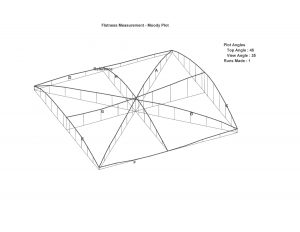
Հարթության թեստավորումն ունի 4 հաստատված մեթոդ՝ էլեկտրոնային նիվերսալներ, ավտոկոլիմացիա, լազերային և հարթության լոկատոր կոչվող սարք։ Մենք օգտագործում ենք միայն էլեկտրոնային նիվերսալներ, քանի որ դրանք ամենաճշգրիտ և ամենաարագ մեթոդն են մի քանի պատճառներով։
Լազերներն ու ավտոկոլիմատորները որպես հղման չափում օգտագործում են լույսի շատ ուղիղ ճառագայթ։ Գրանիտե մակերեսային թիթեղի ուղիղության չափումը կատարվում է՝ համեմատելով մակերեսային թիթեղի և լույսի ճառագայթի միջև հեռավորության տատանումը։ Լույսի ուղիղ ճառագայթը վերցնելով, այն հարվածելով անդրադարձնող թիրախին և միաժամանակ անդրադարձնող թիրախը մակերեսային թիթեղի վրայով ներքև շարժելով, ճառագայթված ճառագայթի և հետադարձ ճառագայթի միջև հեռավորությունը ուղիղության չափում է։
Ահա թե որն է այս մեթոդի խնդիրը։ Նպատակակետի և աղբյուրի վրա ազդում են թրթռումը, շրջակա միջավայրի ջերմաստիճանը, ոչ այնքան հարթ կամ քերծված թիրախը, օդի աղտոտվածությունը և օդի շարժումը (հոսանքները)։ Այս ամենը նպաստում է սխալի լրացուցիչ բաղադրիչների առաջացմանը։ Ավելին, ավտոկոլիմատորով ստուգումներից օպերատորի սխալի ներդրումն ավելի մեծ է։
Ավտոկոլիմատորի փորձառու օգտագործողը կարող է շատ ճշգրիտ չափումներ կատարել, սակայն դեռևս խնդիրներ է ունենում ցուցմունքների համապատասխանության հետ, հատկապես երկար հեռավորությունների վրա, քանի որ անդրադարձումները հակված են լայնանալու կամ մի փոքր մշուշվելու: Բացի այդ, ոչ կատարյալ հարթ թիրախը և օբյեկտիվի միջով երկար նայելը լրացուցիչ սխալներ են առաջացնում:
Հարթության տեղորոշիչ սարքը պարզապես հիմարություն է: Այս սարքը որպես հղման միջոց օգտագործում է համեմատաբար ուղիղ (չափազանց ուղիղ կոլիմացված կամ լազերային լույսի ճառագայթի համեմատ): Մեխանիկական սարքը ոչ միայն օգտագործում է սովորաբար ընդամենը 20 միլիմետրանոց լուծաչափով ցուցիչ, այլև ձողի անուղղակիությունը և տարբեր նյութերը զգալիորեն մեծացնում են չափման սխալները: Մեր կարծիքով, չնայած մեթոդը ընդունելի է, ոչ մի իրավասու լաբորատորիա երբեք չի օգտագործի հարթության տեղորոշիչ սարք որպես վերջնական ստուգման գործիք:
Էլեկտրոնային նիվըրները որպես հղման աղբյուր օգտագործում են ձգողականությունը: Դիֆերենցիալ էլեկտրոնային նիվըրները չեն տատանվում: Դրանք ունեն ընդամենը 0.1 աղեղնային վայրկյանի ցածր լուծաչափ, չափումները արագ են, ճշգրիտ, և փորձառու օպերատորի կողմից սխալի ներդրումը շատ քիչ է: Ո՛չ հարթության լոկատորները, ո՛չ էլ ավտոկոլիմատորները չեն ապահովում մակերևույթի համակարգչային գեներացված տեղագրական (Նկար 1) կամ իզոմետրիկ գծապատկերներ (Նկար 2):
Նկար 2
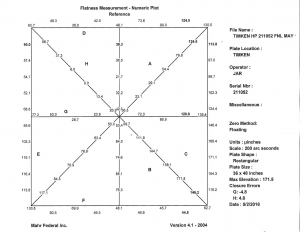
Մակերեսի ճիշտ հարթության թեստ
Մակերեսի պատշաճ հարթության թեստը այս աշխատանքի այնքան կարևոր մասն է, որ ես պետք է այն դնեի սկզբում: Ինչպես արդեն նշվեց, Fed Spec. GGG-p-463c-ը տրամաչափման մեթոդ չէ: Այն ծառայում է որպես ուղեցույց չափագիտական մակարդակի գրանիտի բազմաթիվ ասպեկտների համար, որոնց նախատեսված գնորդը ցանկացած դաշնային կառավարության գործակալություն է, և դա ներառում է փորձարկման մեթոդները և հանդուրժողականությունները կամ դասակարգումները: Եթե կապալառուն պնդում է, որ ինքը հետևել է Fed Specs-ին, ապա հարթության արժեքը պետք է որոշվի Մուդի մեթոդով:
Մուդին դեռևս 50-ականներից մի գիտնական էր, որը մշակել էր մաթեմատիկական մեթոդ՝ ընդհանուր հարթությունը որոշելու և փորձարկվող գծերի կողմնորոշումը հաշվի առնելու համար, թե արդյոք դրանք բավականաչափ մոտ են նույն հարթության մեջ։ Ոչինչ չի փոխվել։ Allied Signal-ը փորձեց կատարելագործել մաթեմատիկական մեթոդը, բայց եզրակացրեց, որ տարբերությունները այնքան փոքր են, որ ջանքերը չարժեն։
Եթե մակերեսային թիթեղների կապալառուն օգտագործում է էլեկտրոնային մակարդակներ կամ լազեր, նա օգտագործում է համակարգիչ՝ հաշվարկներում իրեն օգնելու համար: Համակարգչի օգնության բացակայության դեպքում ավտոկոլիմացիա օգտագործող տեխնիկը պետք է ձեռքով հաշվարկի ցուցմունքները: Իրականում նրանք դա չեն անում: Դա չափազանց երկար է տևում և, անկեղծ ասած, կարող է չափազանց դժվար լինել: Մուդիի մեթոդով հարթության թեստում տեխնիկը ստուգում է ութ գծերի ուղիղությունը՝ Յունիոն Ջեքի կոնֆիգուրացիայում:
Մուդիի մեթոդը
Մուդիի մեթոդը մաթեմատիկական միջոց է որոշելու համար, թե արդյոք ութ գծերը գտնվում են նույն հարթության վրա: Հակառակ դեպքում, դուք կունենաք ընդամենը 8 ուղիղ գիծ, որոնք կարող են լինել կամ չլինել նույն հարթության վրա կամ մոտակայքում: Ավելին, կապալառուն, որը պնդում է, որ հետևում է Դաշնային պահուստային համակարգի պահանջներին և օգտագործում է ավտոկոլիմացիա, նա...պետք էստեղծել տվյալների ութ էջ։ Յուրաքանչյուր ստուգված տողի համար մեկ էջ՝ ապացուցելու համար, որ նա փորձարկել է, վերանորոգել կամ երկուսն էլ։ Հակառակ դեպքում, կապալառուն պատկերացում չունի, թե որն է իրական հարթության արժեքը։
Վստահ եմ, որ եթե դուք նրանցից եք, ովքեր իրենց թիթեղները կարգաբերում են կապալառուի կողմից՝ օգտագործելով ավտոկոլիմացիա, ապա երբեք չեք տեսել այդ էջերը։ Նկար 3-ը նմուշ է։միայն մեկըԸնդհանուր հարթությունը հաշվարկելու համար անհրաժեշտ է ութ էջից բաղկացած աշխատանք: Այդ անտեղյակության և չարամտության մեկ ցուցիչ է այն, որ ձեր զեկույցը պարունակում է գեղեցիկ կլորացված թվեր: Օրինակ՝ 200, 400, 650 և այլն: Ճիշտ հաշվարկված արժեքը իրական թիվ է: Օրինակ՝ 325.4 միլիմետր դյույմ: Երբ կապալառուն օգտագործում է հաշվարկների Մուդիի մեթոդը, և տեխնիկը ձեռքով է հաշվարկում արժեքները, դուք պետք է ստանաք հաշվարկների ութ էջ և իզոմետրիկ գրաֆիկ: Իզոմետրիկ գրաֆիկը ցույց է տալիս տարբեր գծերի երկայնքով տարբեր բարձրությունները և ընտրված հատման կետերի միջև եղած հեռավորությունը:
Նկար 3(Հարթությունը ձեռքով հաշվարկելու համար անհրաժեշտ է ութ էջ նման ձևով: Համոզվեք, որ հարցնում եք, թե ինչու չեք ստանում սա, եթե ձեր կապալառուն օգտագործում է ավտոմատ կոլիմացիա:)
Նկար 4
Չափաչափերի տեխնիկները որպես նախընտրելի սարքեր օգտագործում են դիֆերենցիալ մակարդակներ (Նկար 4)՝ չափման կայանից անկյունային փոքր փոփոխությունները չափելու համար: մակարդակներն ունեն մինչև 0.1 արկ վայրկյանի լուծաչափ (5 միլիմետր՝ օգտագործելով 4 դյույմանոց սահնակ), չափազանց կայուն են, չեն տուժում թրթռումներից, չափված հեռավորություններից, օդային հոսանքներից, օպերատորի հոգնածությունից, օդի աղտոտվածությունից կամ այլ սարքերին բնորոշ որևէ խնդրից: Ավելացրեք համակարգչային օգնություն, և առաջադրանքը կդառնա համեմատաբար արագ՝ ստեղծելով տեղագրական և իզոմետրիկ գծապատկերներ, որոնք ապացուցում են ստուգումը և ամենակարևորը՝ վերանորոգումը:
Կրկնելիության պատշաճ թեստ
Կրկնակի ընթերցումը կամ կրկնելիությունը ամենակարևոր թեստն է: Կրկնելիության թեստը կատարելու համար մենք օգտագործում ենք կրկնակի ընթերցման սարք, LVDT և բարձր թույլտվության ընթերցումների համար անհրաժեշտ ուժեղացուցիչ: Մենք LVDT ուժեղացուցիչը կարգավորել ենք 10 մի դյույմ կամ 5 մի դյույմ նվազագույն թույլտվության՝ բարձր ճշգրտության թիթեղների համար:
Միայն 20 միլ դյույմ լուծաչափով մեխանիկական ցուցիչ օգտագործելն անիմաստ է, եթե փորձում եք ստուգել 35 միլ դյույմ կրկնելիության պահանջը: Ցուցիչներն ունեն 40 միլ դյույմ անորոշություն: Կրկնակի ընթերցման կարգավորումը նմանակում է բարձրության չափիչի/մասերի կոնֆիգուրացիային:
Կրկնելիությունը նույնը չէ, ինչ ընդհանուր հարթությունը (միջին հարթությունը): Ես սիրում եմ գրանիտի կրկնելիությունը դիտարկել որպես հետևողական շառավղի չափում:
Նկար 5
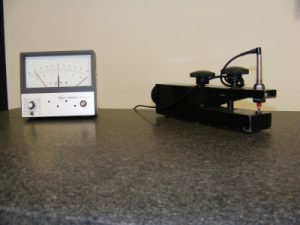
Եթե դուք ստուգում եք կլոր գնդի կրկնելիությունը, ապա դուք ցույց եք տվել, որ գնդի շառավիղը չի փոխվել: (Պատշաճ կերպով վերանորոգված թիթեղի իդեալական պրոֆիլը ունի ուռուցիկ պսակաձև ձև): Այնուամենայնիվ, ակնհայտ է, որ գնդիկը հարթ չէ: Դե, մոտավորապես: Չափազանց կարճ հեռավորության վրա այն հարթ է: Քանի որ ստուգման աշխատանքների մեծ մասը ներառում է մասի շատ մոտ բարձրության չափիչ, կրկնելիությունը դառնում է գրանիտե թիթեղի ամենակարևոր հատկությունը: Ավելի կարևոր է, քան ընդհանուր հարթությունը, եթե օգտագործողը չի ստուգում երկար մասի ուղիղությունը:
Համոզվեք, որ ձեր կապալառուն կատարում է կրկնակի ցուցմունքի ստուգում: Թիթեղի կրկնակի ցուցմունքը կարող է զգալիորեն գերազանցել թույլատրելի սահմանները, բայց այնուամենայնիվ հաջողությամբ հանձնել հարթության թեստը: Հետաքրքիր է, որ լաբորատորիան կարող է հավատարմագրում ստանալ այնպիսի փորձարկումների համար, որոնք չեն ներառում կրկնակի ցուցմունքի թեստ: Լաբորատորիան, որը չի կարող վերանորոգել կամ շատ լավ չի վերանորոգում, նախընտրում է միայն հարթության թեստավորում կատարել: Հարթությունը հազվադեպ է փոխվում, եթե դուք չեք տեղաշարժում թիթեղը:
Կրկնակի ընթերցման թեստավորումը ամենահեշտն է ստուգելու համար, բայց ամենադժվարը՝ իրականացնելու համար, երբ լաքապատում եք։ Համոզվեք, որ ձեր կապալառուն կարող է վերականգնել կրկնելիությունը՝ առանց մակերեսը «փչացնելու» կամ մակերեսին ալիքներ թողնելու։
Դելտա T թեստ
Այս թեստը ներառում է քարի վերին և ստորին մակերեսների ԻՐԱԿԱՆ ջերմաստիճանի չափումը և տարբերության՝ Դելտա T-ի հաշվարկը՝ վկայականում արտացոլելու համար։
Կարևոր է իմանալ, որ գրանիտի ջերմային ընդարձակման միջին գործակիցը 3.5 միլ/դյույմ/աստիճան է: Շրջակա միջավայրի ջերմաստիճանի և խոնավության ազդեցությունը գրանիտե թիթեղի վրա աննշան է: Այնուամենայնիվ, մակերեսային թիթեղը կարող է դուրս գալ հանդուրժողականության սահմաններից կամ երբեմն բարելավվել, նույնիսկ եթե այն 0.3 – 0.5 աստիճան Ֆարենհայտ է: Անհրաժեշտ է իմանալ, թե արդյոք Դելտա Տ-ն 0.12 աստիճան Ֆարենհայտի սահմաններում է վերջին կարգաբերումից ստացված տարբերության սահմաններում:
Կարևոր է նաև իմանալ, որ թիթեղների աշխատանքային մակերեսը տեղափոխվում է ջերմության ուղղությամբ: Եթե վերին ջերմաստիճանը ավելի տաք է, քան ներքևի, ապա վերին մակերեսը բարձրանում է: Եթե ներքևի ջերմաստիճանը ավելի տաք է, ինչը հազվադեպ է լինում, ապա վերին մակերեսը խորտակվում է: Որակի մենեջերի կամ տեխնիկի համար բավարար չէ իմանալ, որ թիթեղը հարթ է և կրկնվող՝ չափման կամ վերանորոգման պահին, այլ այն, թե ինչպիսին էր դրա Դելտա T-ն վերջնական չափման փորձարկման ժամանակ: Կրիտիկական իրավիճակներում օգտատերը կարող է, ինքնուրույն չափելով Դելտա T-ն, որոշել, թե արդյոք թիթեղը դուրս է եկել հանդուրժողականությունից՝ բացառապես Դելտա T տատանումների պատճառով: Բարեբախտաբար, գրանիտին անհրաժեշտ են ժամեր կամ նույնիսկ օրեր՝ միջավայրին հարմարվելու համար: Օրվա ընթացքում շրջակա միջավայրի ջերմաստիճանի աննշան տատանումները չեն ազդի դրա վրա: Այս պատճառներով մենք չենք հաղորդում շրջակա միջավայրի չափման ջերմաստիճանի կամ խոնավության մասին, քանի որ ազդեցությունները աննշան են:
Գրանիտե թիթեղների մաշվածություն
Թեև գրանիտն ավելի կարծր է, քան պողպատե թիթեղները, գրանիտը դեռևս մակերեսին ցածր բծեր է առաջացնում: Մակերեսային թիթեղի վրա մասերի և չափիչների կրկնվող շարժումը մաշվածության ամենամեծ աղբյուրն է, հատկապես, եթե նույն տարածքը անընդհատ օգտագործվում է: Թիթեղի մակերեսին մնացող կեղտը և հղկող փոշին արագացնում են մաշվածության գործընթացը, քանի որ այն անցնում է մասերի կամ չափիչների և գրանիտե մակերեսի միջև: Երբ մասերը և չափիչները տեղափոխվում են դրա մակերեսով, հղկող փոշին սովորաբար լրացուցիչ մաշվածության պատճառ է դառնում: Ես խորհուրդ եմ տալիս անընդհատ մաքրել՝ մաշվածությունը նվազեցնելու համար: Մենք տեսել ենք թիթեղների մաշվածություն, որը առաջացել է թիթեղների վրա տեղադրված UPS փաթեթների ամենօրյա առաքումների պատճառով: Այդ տեղայնացված մաշվածության հատվածները ազդում են կալիբրացման կրկնելիության թեստի ցուցմունքների վրա: Խուսափեք մաշվածությունից՝ պարբերաբար մաքրելով:
Գրանիտե սալիկների մաքրում
Թիթեղը մաքուր պահելու համար օգտագործեք սոսնձող կտոր՝ փոշին հեռացնելու համար: Պարզապես շատ թեթև սեղմեք, որպեսզի սոսնձի մնացորդ չթողնեք: Լավ օգտագործված սոսնձող կտորը հիանալի աշխատանք է կատարում մաքրումների միջև ընկած ժամանակահատվածում հղկող փոշին հավաքելու համար: Մի՛ աշխատեք նույն տեղում: Տեղափոխեք ձեր սարքը ափսեի շուրջը՝ բաշխելով մաշվածությունը: Թույլատրվում է ափսեն մաքրելու համար սպիրտ օգտագործել, բայց հաշվի առեք, որ դա ժամանակավորապես կսառեցնի մակերեսը: Ջուրը փոքր քանակությամբ օճառով հիանալի է: Առևտրային առումով մատչելի մաքրող միջոցները, ինչպիսին է Starrett-ի մաքրող միջոցը, նույնպես հիանալի են օգտագործման համար, բայց համոզվեք, որ մակերեսից հեռացնում եք օճառի բոլոր մնացորդները:
Գրանիտե սալիկների նորոգում
Այժմ արդեն ակնհայտ պետք է լինի, թե որքան կարևոր է համոզվել, որ ձեր մակերեսային թիթեղի կապալառուն կատարում է գրագետ կարգաբերում: «Ամեն ինչ անել մեկ զանգով» ծրագրերն առաջարկող «Clearing House» տիպի լաբորատորիաները հազվադեպ են ունենում տեխնիկ, որը կարող է կատարել վերանորոգումներ: Նույնիսկ եթե նրանք առաջարկում են վերանորոգումներ, միշտ չէ, որ ունեն տեխնիկ, որն ունի անհրաժեշտ փորձը, երբ մակերեսային թիթեղը զգալիորեն դուրս է հանդուրժողականությունից:
Եթե ձեզ ասեն, որ ափսեը չի կարող վերանորոգվել ծայրահեղ մաշվածության պատճառով, զանգահարեք մեզ: Ամենայն հավանականությամբ, մենք կարող ենք վերանորոգել այն:
Մեր տեխնիկները մեկից մեկուկես տարի տևողությամբ ուսուցողական պրակտիկա են անցնում մակերեսային թիթեղների վարպետ տեխնիկի մոտ: Մենք մակերեսային թիթեղների վարպետ տեխնիկ ենք համարում այն անձը, ով ավարտել է իր ուսուցողական պրակտիկան և ունի մակերեսային թիթեղների տրամաչափման և վերանորոգման ավելի քան տասը տարվա լրացուցիչ փորձ: Dimensional Gauge-ում մենք ունենք երեք վարպետ տեխնիկ՝ ավելի քան 60 տարվա համակցված փորձով: Մեր վարպետ տեխնիկներից մեկը միշտ հասանելի է աջակցության և ուղղորդման համար, երբ առաջանում են դժվարին իրավիճակներ: Մեր բոլոր տեխնիկները փորձ ունեն բոլոր չափերի մակերեսային թիթեղների տրամաչափման մեջ՝ փոքրից մինչև շատ մեծ, տարբեր շրջակա միջավայրի պայմաններում, տարբեր արդյունաբերություններում և խոշոր մաշվածության խնդիրների դեպքում:
Fed Specs-ը սահմանում է 16-ից 64 միջին թվաբանական կոպտության (AA) հատուկ պահանջ: Մենք նախընտրում ենք 30-35 AA միջակայքում գտնվող մակերես: Կա բավականաչափ կոպտություն, որպեսզի մասերը և չափիչները սահուն շարժվեն և չկպչեն կամ չճմրթվեն մակերեսային թիթեղին:
Վերանորոգման ժամանակ մենք ստուգում ենք թիթեղի ճիշտ տեղադրումը և հավասարեցումը: Մենք օգտագործում ենք չոր հղկման մեթոդ, բայց գրանիտի զգալի հեռացում պահանջող ծայրահեղ մաշվածության դեպքում մենք կատարում ենք թաց հղկում: Մեր տեխնիկները մաքրում են իրենց հետևից, նրանք մանրակրկիտ, արագ և ճշգրիտ են: Սա կարևոր է, քանի որ գրանիտե թիթեղի սպասարկման արժեքը ներառում է ձեր պարապուրդի ժամանակը և կորցրած արտադրությունը: Գրագետ վերանորոգումը չափազանց կարևոր է, և դուք երբեք չպետք է ընտրեք կապալառու՝ ելնելով գնի կամ հարմարությունից: Որոշակի տրամաչափման աշխատանքներ պահանջում են բարձր որակավորում ունեցող անհատներ: Մենք դա ունենք:
Վերջնական ստուգաչափման հաշվետվություններ
Յուրաքանչյուր մակերեսային թիթեղի վերանորոգման և կարգաբերման համար մենք տրամադրում ենք մանրամասն մասնագիտական զեկույցներ: Մեր զեկույցները պարունակում են ինչպես կարևոր, այնպես էլ համապատասխան տեղեկատվության զգալի քանակ: Fed Spec.-ը պահանջում է մեր տրամադրած տեղեկատվության մեծ մասը: Բացառությամբ այլ որակի ստանդարտներում, ինչպիսիք են ISO/IEC-17025-ը, պարունակվող տեղեկատվության, զեկույցների համար Fed. Spec.-ի նվազագույն պահանջներն են՝
- Չափսը ոտնաչափերով (X' x X')
- Գույն
- Ոճ (Նշանակում է սեղմակով եզրեր չունենալ կամ երկու կամ չորս եզրեր ունենալ)
- Գնահատված առաձգականության մոդուլ
- Միջին հարթության հանդուրժողականություն (որոշվում է աստիճանի/չափսի միջոցով)
- Կրկնակի ընթերցման հանդուրժողականություն (որոշվում է դյույմերով անկյունագծի երկարությամբ)
- Միջին հարթությունը, ինչպես գտնվել է
- Միջին հարթությունը ձախ կողմում
- Կրկնել ընթերցումը ըստ գտածի
- Կրկնել ընթերցումը ձախ կողմում
- Դելտա T (վերին և ստորին մակերեսների միջև ջերմաստիճանի տարբերություն)
Եթե տեխնիկը պետք է մակերեսային թիթեղի վրա կատարի հղկման կամ վերանորոգման աշխատանքներ, ապա տրամաչափման վկայականին կից է տեղագրական կամ իզոմետրիկ գրաֆիկ՝ վերանորոգման վավերականությունը ապացուցելու համար։
Մի քանի խոսք ISO/IEC-17025 հավատարմագրումների և դրանք ունեցող լաբորատորիաների մասին
Այն փաստը, որ լաբորատորիան ունի մակերեսային թիթեղների տրամաչափման հավատարմագրում, պարտադիր չէ, որ նշանակի, որ նրանք գիտեն, թե ինչ են անում, և առավել ևս՝ ճիշտ են անում դա։ Դա նաև պարտադիր չէ, որ նշանակի, որ լաբորատորիան կարող է վերանորոգել։ Հավատարմագրող մարմինները տարբերություն չեն դնում ստուգման և տրամաչափման (վերանորոգման) միջև։Aև ես գիտեմ մեկը, գուցե2հավատարմագրող մարմիններ, որոնք կամենում ենLփողկապAժապավեն կփաթաթեի շանս շուրջը, եթե ես նրանց բավարար գումար վճարեի։ Սա տխուր փաստ է։ Ես տեսել եմ, թե ինչպես են լաբորատորիաները հավատարմագրում ստացել՝ կատարելով պահանջվող երեք թեստերից միայն մեկը։ Ավելին, ես տեսել եմ, թե ինչպես են լաբորատորիաները հավատարմագրում ստացել անիրատեսական անորոշություններով և հավատարմագրվել առանց որևէ ապացույցի կամ ցուցադրման, թե ինչպես են հաշվարկել արժեքները։ Այս ամենը ցավալի է։
Գումարում
Դուք չեք կարող թերագնահատել ճշգրիտ գրանիտե թիթեղների դերը: Գրանիտե թիթեղների ապահոված հարթ հենարանը հիմքն է, որի վրա դուք կատարում եք մնացած բոլոր չափումները:
Դուք կարող եք օգտագործել ամենաժամանակակից, ամենաճշգրիտ և ամենաբազմակողմանի չափիչ գործիքները: Այնուամենայնիվ, ճշգրիտ չափումները դժվար է որոշել, եթե հենակետային մակերեսը հարթ չէ: Մի անգամ իմ պոտենցիալ հաճախորդն ասաց ինձ. «Դե, սա պարզապես հիանալի է»: Ես պատասխանեցի. «Լավ, դուք ճիշտ եք, և դուք անպայման չեք կարող արդարացնել մասնագետների ներգրավումը ձեր մակերեսային սալերի պահպանման համար»:
Գինը երբեք լավ պատճառ չէ մակերեսային սալիկների կապալառուներ ընտրելու համար: Գնորդները, հաշվապահները և որակի ապահովման ինժեներների մտահոգիչ թվաքանակը միշտ չէ, որ հասկանում են, որ գրանիտե սալիկների վերահավաստագրումը նման չէ միկրոմետրի, տրամաչափի կամ թվային մեծամասշտաբի վերահավաստագրմանը:
Որոշ գործիքներ պահանջում են փորձագիտություն, այլ ոչ թե ցածր գին։ Այս ամենն ասելով՝ մեր գները շատ մատչելի են։ Հատկապես վստահ լինելու համար, որ աշխատանքը կատարում ենք ճիշտ։ Մենք գերազանցում ենք ISO-17025 և դաշնային սպեցիֆիկացիաների պահանջները՝ ապահովելով լրացուցիչ արժեք։
Մակերեսային թիթեղները բազմաթիվ չափումների հիմքն են, և չափման ճշգրտությունն ապահովելու համար անհրաժեշտ է ձեր մակերեսային թիթեղի պատշաճ խնամքը։
Գրանիտը մակերեսային սալիկների համար օգտագործվող ամենատարածված նյութն է՝ իր իդեալական ֆիզիկական բնութագրերի շնորհիվ, ինչպիսիք են մակերեսային կարծրությունը և ջերմաստիճանի տատանումների նկատմամբ ցածր զգայունությունը: Այնուամենայնիվ, շարունակական օգտագործման դեպքում մակերեսային սալերը մաշվում են:
Հարթությունը և կրկնելիությունը երկուսն էլ կարևորագույն ասպեկտներ են՝ որոշելու համար, թե արդյոք թիթեղը ապահովում է ճշգրիտ մակերես՝ ճշգրիտ չափումներ ստանալու համար: Երկու ասպեկտների համար թույլատրելի շեղումները սահմանվում են դաշնային GGG-P-463C, DIN, GB, JJS ստանդարտներով... Հարթությունը թիթեղի վրա ամենաբարձր կետի (տանիքի հարթություն) և ամենացածր կետի (հիմքի հարթություն) միջև հեռավորության չափումն է: Կրկնելիությունը որոշում է, թե արդյոք մեկ տարածքից կատարված չափումը կարող է կրկնվել ամբողջ թիթեղի վրա՝ նշված թույլատրելի շեղումների սահմաններում: Սա ապահովում է, որ թիթեղի վրա գագաթներ կամ հովիտներ չկան: Եթե ցուցմունքները չեն համապատասխանում նշված ուղեցույցներին, ապա կարող է անհրաժեշտ լինել վերանորոգում՝ չափումները տեխնիկական բնութագրերին վերադարձնելու համար:
Մակերեսային թիթեղների պարբերական կարգաբերումը անհրաժեշտ է՝ ժամանակի ընթացքում հարթությունն ու կրկնելիությունն ապահովելու համար: Cross-ի ճշգրիտ չափման խումբը ISO 17025 հավատարմագրված է մակերեսային թիթեղների հարթության և կրկնելիության կարգաբերման համար: Մենք օգտագործում ենք Mahr-ի մակերեսային թիթեղների հավաստագրման համակարգը, որը ներառում է.
- Մուդիի և պրոֆիլի վերլուծություն,
- Իզոմետրիկ կամ թվային գրաֆիկներ,
- Բազմակի վազքի միջինը, և
- Ավտոմատ դասակարգում՝ համաձայն արդյունաբերության ստանդարտների։
Mahr համակարգչային օժանդակությամբ մոդելը որոշում է բացարձակ մակարդակից ցանկացած անկյունային կամ գծային շեղում և իդեալական է մակերեսային թիթեղների բարձր ճշգրտությամբ պրոֆիլավորման համար։
Կալիբրացման միջև ընկած ժամանակահատվածները կտարբերվեն՝ կախված օգտագործման հաճախականությունից, թիթեղի գտնվելու վայրի շրջակա միջավայրի պայմաններից և ձեր ընկերության որակի պահանջներից: Ձեր մակերեսային թիթեղի պատշաճ պահպանումը կարող է թույլ տալ ավելի երկար ժամանակահատվածներ յուրաքանչյուր կալիբրացման միջև, կօգնի ձեզ խուսափել կրկնակի ծածկույթի լրացուցիչ ծախսերից և, ամենակարևորը, ապահովում է, որ թիթեղի վրա ստացված չափումները լինեն հնարավորինս ճշգրիտ: Չնայած մակերեսային թիթեղները թվում են ամուր, դրանք ճշգրիտ գործիքներ են և պետք է դրանց հետ վարվել որպես այդպիսին: Ահա մի քանի բան, որոնք պետք է հաշվի առնել ձեր մակերեսային թիթեղների խնամքի վերաբերյալ.
- Պահեք ափսեն մաքուր, և եթե հնարավոր է, ծածկեք այն, երբ այն չեք օգտագործում։
- Թիթեղի վրա ոչինչ չպետք է դրվի, բացի չափիչ սարքերից կամ չափվող կտորներից։
- Միշտ մի օգտագործեք ափսեի վրա նույն կետը։
- Հնարավորության դեպքում պարբերաբար պտտեք ափսեը։
- Հարգեք ձեր ափսեի բեռնվածության սահմանը
Ճշգրիտ գրանիտե հիմքը կարող է բարելավել մեքենագործիքների աշխատանքը
Մեքենաշինության մեջ ընդհանուր առմամբ և մասնավորապես՝ մեքենագործիքաշինության մեջ պահանջները անընդհատ աճում են: Առավելագույն ճշգրտության և կատարողականի արժեքների հասնելը՝ առանց ծախսերի ավելացման, մրցունակ լինելու մշտական մարտահրավեր է: Այստեղ որոշիչ գործոն է մեքենագործիքների հիմքը: Հետևաբար, ավելի ու ավելի շատ մեքենագործիքների արտադրողներ են ապավինում գրանիտին: Իր ֆիզիկական պարամետրերի շնորհիվ այն առաջարկում է հստակ առավելություններ, որոնք հնարավոր չէ ձեռք բերել պողպատով կամ պոլիմերային բետոնի միջոցով:
Գրանիտը այսպես կոչված հրաբխային խորքային ապար է և ունի շատ խիտ և միատարր կառուցվածք՝ չափազանց ցածր ընդարձակման գործակցով, ցածր ջերմահաղորդականությամբ և բարձր տատանումների մարմամբ։
Ստորև դուք կբացահայտեք, թե ինչու է վաղուց հնացած այն տարածված կարծիքը, որ գրանիտը հիմնականում հարմար է միայն որպես բարձրակարգ կոորդինատային չափման մեքենաների հիմք, և ինչու է այս բնական նյութը որպես մեքենագործիքների հիմք շատ առավելություն ունեցող այլընտրանք պողպատին կամ թուջին նույնիսկ բարձր ճշգրտության մեքենագործիքների համար։
Մենք կարող ենք արտադրել գրանիտե բաղադրիչներ դինամիկ շարժման համար, գրանիտե բաղադրիչներ գծային շարժիչների համար, գրանիտե բաղադրիչներ NDT-ի համար, գրանիտե բաղադրիչներ ռենտգենյան ճառագայթների համար, գրանիտե բաղադրիչներ CMM-ի համար, գրանիտե բաղադրիչներ CNC-ի համար, գրանիտե ճշգրիտ գրանիտե բաղադրիչներ լազերի համար, գրանիտե բաղադրիչներ ավիատիեզերական արդյունաբերության համար, գրանիտե բաղադրիչներ ճշգրիտ փուլերի համար...
Բարձր ավելացված արժեք առանց լրացուցիչ ծախսերի
Մեքենաշինության մեջ գրանիտի օգտագործման աճը պայմանավորված չէ այնքան պողպատի գնի զգալի աճով, որքան նրանով, որ գրանիտից պատրաստված մեքենայի հիմքով գործիքի համար լրացուցիչ արժեքի ստացումը հնարավոր է շատ քիչ կամ առանց լրացուցիչ ծախսերի։ Սա ապացուցվում է Գերմանիայի և Եվրոպայի հայտնի մեքենագործիքների արտադրողների գների համեմատություններով։
Գրանիտի շնորհիվ ջերմադինամիկ կայունության, թրթռումների մարման և երկարաժամկետ ճշգրտության զգալի աճը հնարավոր չէ ապահովել թուջե կամ պողպատե հիմքով, կամ միայն համեմատաբար բարձր գնով։ Օրինակ, ջերմային սխալները կարող են կազմել մեքենայի ընդհանուր սխալի մինչև 75%-ը, և փոխհատուցումը հաճախ փորձ է արվում ծրագրային ապահովմամբ՝ չափավոր հաջողությամբ։ Ցածր ջերմահաղորդականության շնորհիվ գրանիտը երկարաժամկետ ճշգրտության ավելի լավ հիմք է։
1 մկմ շեղման դեպքում գրանիտը հեշտությամբ համապատասխանում է DIN 876 ստանդարտի 00 ճշգրտության աստիճանի հարթության պահանջներին: 1-ից 10 կարծրության սանդղակի 6 արժեքով այն չափազանց կարծր է, իսկ 2.8 գ/սմ³ տեսակարար կշռով այն գրեթե հասնում է ալյումինի արժեքին: Սա նաև հանգեցնում է լրացուցիչ առավելությունների, ինչպիսիք են՝ ավելի բարձր մատակարարման արագությունները, ավելի բարձր առանցքային արագացումները և կտրող մեքենաների համար գործիքի ծառայության ժամկետի երկարացումը: Այսպիսով, ձուլածո հիմքից գրանիտե մեքենայի հիմքի անցումը տվյալ մեքենագործիքը տեղափոխում է բարձրակարգ դասի՝ ճշգրտության և կատարողականության առումով՝ առանց լրացուցիչ ծախսերի:
Գրանիտի բարելավված էկոլոգիական հետքը
Ի տարբերություն պողպատի կամ թուջի նման նյութերի, բնական քարը պարտադիր չէ արտադրել մեծ քանակությամբ էներգիայով և հավելանյութերի օգտագործմամբ: Քարհանքի և մակերեսային մշակման համար անհրաժեշտ է միայն համեմատաբար փոքր քանակությամբ էներգիա: Սա հանգեցնում է գերազանց էկոլոգիական հետքի, որը նույնիսկ մեքենայի կյանքի ավարտին գերազանցում է պողպատի նյութին: Գրանիտե շերտը կարող է հիմք հանդիսանալ նոր մեքենայի համար կամ օգտագործվել բոլորովին այլ նպատակներով, ինչպիսիք են ճանապարհաշինարարության համար քարի մանրացումը:
Գրանիտի ռեսուրսների պակաս նույնպես չկա։ Այն խորը ապար է, որը ձևավորվել է երկրի կեղևի մագմայից։ Այն «հասունացել» է միլիոնավոր տարիների ընթացքում և շատ մեծ քանակությամբ առկա է որպես բնական ռեսուրս գրեթե բոլոր մայրցամաքներում, այդ թվում՝ ամբողջ Եվրոպայում։
Եզրակացություն. Գրանիտի բազմաթիվ ապացուցելի առավելությունները պողպատի կամ թուջի համեմատ արդարացնում են մեխանիկական ինժեներների աճող պատրաստակամությունը՝ այս բնական նյութը որպես բարձր ճշգրտության, բարձր արդյունավետությամբ հաստոցների հիմք օգտագործելու համար: Գրանիտի հատկությունների մասին մանրամասն տեղեկություններ, որոնք առավելություններ ունեն հաստոցների և մեխանիկական ճարտարագիտության համար, կարող եք գտնել այս հետագա հոդվածում:
Կրկնակի չափումը տեղային հարթության մակերեսների չափում է: Կրկնակի չափման սպեցիֆիկացիան նշում է, որ թիթեղի մակերեսի ցանկացած վայրում կատարված չափումը կկրկնվի նշված թույլատրելի սահմաններում: Տեղային մակերեսի հարթության կառավարումը ընդհանուր հարթությունից ավելի խիստ վերահսկելը երաշխավորում է մակերեսի հարթության պրոֆիլի աստիճանական փոփոխություն՝ այդպիսով նվազագույնի հասցնելով տեղային սխալները:
Արտադրողների մեծ մասը, այդ թվում՝ ներմուծված ապրանքանիշերը, հետևում են ընդհանուր հարթության հանդուրժողականության դաշնային սպեցիֆիկացիային, բայց շատերը անտեսում են կրկնակի չափումները: Այսօր շուկայում առկա ցածրարժեք կամ բյուջետային թիթեղներից շատերը չեն երաշխավորում կրկնակի չափումներ: Արտադրողը, որը չի երաշխավորում կրկնակի չափումներ, ՉԻ արտադրում թիթեղներ, որոնք համապատասխանում են ASME B89.3.7-2013 կամ GGG-P-463c դաշնային սպեցիֆիկացիայի, կամ DIN 876, GB, JJS... պահանջներին:
Երկուսն էլ կարևոր են ճշգրիտ չափումների համար ճշգրիտ մակերես ապահովելու համար: Միայն հարթության սպեցիֆիկացիան բավարար չէ չափման ճշգրտությունը երաշխավորելու համար: Որպես օրինակ վերցրեք 36 X 48 չափի ստուգման A դասի մակերեսային թիթեղը, որը համապատասխանում է ՄԻԱՅՆ .000300" հարթության սպեցիֆիկացիային: Եթե ստուգվող կտորը կամրջում է մի քանի գագաթներ, և օգտագործվող չափիչը գտնվում է ցածր տեղում, չափման սխալը կարող է լինել մեկ տարածքում լրիվ հանդուրժողականություն՝ 000300": Իրականում այն կարող է շատ ավելի բարձր լինել, եթե չափիչը գտնվում է թեքության վրա:
Հնարավոր են .000600"-.000800" սխալներ՝ կախված թեքության ծանրությունից և օգտագործվող չափիչի թևի երկարությունից: Եթե այս թիթեղն ունենար .000050"FIR կրկնակի չափման սպեցիֆիկացիա, ապա չափման սխալը կլիներ .000050"-ից պակաս՝ անկախ նրանից, թե թիթեղի վրա որտեղ է չափումը կատարվել: Մեկ այլ խնդիր, որը սովորաբար առաջանում է, երբ չուսուցանված տեխնիկը փորձում է տեղում վերականգնել թիթեղը, միայն կրկնակի չափումների օգտագործումն է թիթեղը հավաստագրելու համար:
Կրկնելիությունը ստուգելու համար օգտագործվող սարքերը նախատեսված չեն ընդհանուր հարթությունը ստուգելու համար: Երբ դրանք զրոյի են դրվում կատարյալ կոր մակերեսի վրա, դրանք կշարունակեն կարդալ զրո, անկախ նրանից, թե այդ մակերեսը կատարյալ հարթ է, կատարյալ գոգավոր, թե ուռուցիկ 1/2": Դրանք պարզապես ստուգում են մակերեսի միատարրությունը, այլ ոչ թե հարթությունը: Միայն այն թիթեղը, որը համապատասխանում է և՛ հարթության, և՛ կրկնվող չափման սպեցիֆիկացիային, իսկապես համապատասխանում է ASME B89.3.7-2013 կամ Federal Specification GGG-P-463c-ի պահանջներին:
Ask us about or flatness specification and repeat measurement promise by calling +86 19969991659 or emailing INFO@ZHHIMG.COM
Այո, բայց դրանք կարող են երաշխավորվել միայն որոշակի ուղղահայաց ջերմաստիճանի գրադիենտի համար: Թիթեղի վրա ջերմային ընդարձակման ազդեցությունը կարող է հեշտությամբ հանգեցնել ճշգրտության փոփոխության, որը գերազանցում է թույլատրելի շեղումը, եթե գրադիենտի փոփոխություն լինի: Որոշ դեպքերում, եթե թույլատրելի շեղումը բավականաչափ փոքր է, վերևի լուսավորությունից կլանված ջերմությունը կարող է բավարար չափով գրադիենտի փոփոխություն առաջացնել մի քանի ժամվա ընթացքում:
Գրանիտը ունի մոտավորապես 0.0000035 դյույմ մեկ դյույմի համար 1°F ջերմաստիճանի ջերմային ընդարձակման գործակից։ Օրինակ՝ 36" x 48" x 8" մակերեսային թիթեղի ճշգրտությունը 0°F թեքության դեպքում կազմում է 0.000075" (AA դասի 1/2), վերին և ստորին մասերը նույն ջերմաստիճանն ունեն։ Եթե թիթեղի վերին մասը տաքանում է մինչև այն կետը, որտեղ այն 1°F-ով ավելի տաք է, քան ներքևի մասը, ճշգրտությունը կփոխվի մինչև 0.000275" ուռուցիկ։ Հետևաբար, լաբորատոր AA դասից ավելի փոքր հանդուրժողականությամբ թիթեղ պատվիրելը պետք է դիտարկել միայն այն դեպքում, եթե կա բավարար կլիմայի կարգավորում։
Մակերեսային թիթեղը պետք է հենվի 3 կետում, իդեալականորեն տեղակայված թիթեղի ծայրերից երկարության 20%-ի հեռավորության վրա։ Երկու հենարան պետք է տեղակայված լինեն երկար կողմերից լայնության 20%-ի հեռավորության վրա, իսկ մնացած հենարանը պետք է կենտրոնացված լինի։ Ճշգրիտ մակերեսից բացի ցանկացած բանի վրա կարող են ամուր հենվել միայն 3 կետ։
Արտադրության ընթացքում թիթեղը պետք է հենվի այս կետերում, իսկ օգտագործման ընթացքում՝ միայն այս երեք կետերում։ Թիթեղը երեքից ավելի կետերում հենելու փորձը կհանգեցնի նրան, որ թիթեղը կստանա իր հենարանը երեք կետերի տարբեր համակցություններից, որոնք չեն լինի նույն 3 կետերը, որոնց վրա այն հենվել է արտադրության ընթացքում։ Սա կառաջացնի սխալներ, քանի որ թիթեղը կշեղվի՝ համապատասխանելու նոր հենարանի դասավորությանը։ Բոլոր պողպատե հենարաններն ունեն հենարաններ, որոնք նախագծված են համապատասխան հենարանների կետերին համընկնելու համար։
Եթե թիթեղը պատշաճ կերպով է հենված, ճշգրիտ հավասարեցումը անհրաժեշտ է միայն այն դեպքում, եթե ձեր կիրառությունը դա պահանջում է: Հավասարեցումը անհրաժեշտ չէ պատշաճ կերպով հենված թիթեղի ճշգրտությունը պահպանելու համար:
Ինչու՞ ընտրել գրանիտըՄեքենայի հիմքերևՉափագիտության բաղադրիչներ?
Պատասխանը «այո» է գրեթե բոլոր կիրառությունների համար: Գրանիտի առավելություններն են՝ չի ժանգոտվում կամ կոռոզիա չի առաջացնում, գրեթե չի ենթարկվում ծռման, չի առաջացնում փոխհատուցող կուզ, ավելի երկար մաշվածության ժամկետ ունի, ավելի հարթ է, ավելի մեծ ճշգրտություն ունի, գործնականում ոչ մագնիսական է, ջերմային ընդարձակման ցածր գործակից ունի և ցածր սպասարկման ծախսեր ունի:
Գրանիտը մագմատիկ ապար է, որը արդյունահանվում է իր ծայրահեղ ամրության, խտության, դիմացկունության և կոռոզիայի նկատմամբ դիմադրության համար: Սակայն գրանիտը նաև շատ բազմակողմանի է. այն նախատեսված է ոչ միայն քառակուսիների և ուղղանկյունների համար: Իրականում, Starrett Tru-Stone-ը վստահորեն աշխատում է գրանիտե բաղադրիչների հետ, որոնք նախագծված են բոլոր տեսակի ձևերով, անկյուններով և կորերով՝ կանոնավոր հիմունքներով՝ գերազանց արդյունքներով:
Մեր ժամանակակից մշակման շնորհիվ կտրված մակերեսները կարող են լինել բացառիկ հարթ: Այս հատկությունները գրանիտը դարձնում են իդեալական նյութ՝ անհատական չափերի և դիզայնի մեքենաների հիմքեր և չափագիտական բաղադրիչներ ստեղծելու համար: Գրանիտը.
մեքենայական
կտրելուց և ավարտելուց հետո ճշգրիտ հարթ է
ժանգի դիմացկուն
դիմացկուն
երկարատև
Գրանիտե բաղադրիչները նույնպես հեշտ են մաքրվում: Անհատական դիզայններ ստեղծելիս համոզվեք, որ ընտրեք գրանիտը դրա գերազանց առավելությունների համար:
Ստանդարտներ/ Բարձր մաշվածության կիրառություններ
ZhongHui-ի կողմից մեր ստանդարտ մակերեսային թիթեղների արտադրանքի համար օգտագործվող գրանիտը պարունակում է քվարցի բարձր պարունակություն, ինչը ապահովում է ավելի մեծ դիմադրություն մաշվածության և վնասման նկատմամբ: Մեր գերազանց սև և բյուրեղապակյա վարդագույն գույները ունեն ջրի կլանման ցածր մակարդակ, ինչը նվազագույնի է հասցնում ձեր ճշգրիտ չափիչների ժանգոտվելու հավանականությունը թիթեղների վրա դնելիս: ZhongHui-ի կողմից առաջարկվող գրանիտի գույները հանգեցնում են ավելի քիչ շողշողունության, ինչը նշանակում է թիթեղներն օգտագործող անձանց համար ավելի քիչ աչքերի լարվածություն: Մենք ընտրել ենք մեր գրանիտի տեսակները՝ հաշվի առնելով ջերմային ընդարձակումը՝ այս ասպեկտը նվազագույնի հասցնելու համար:
Անհատականացված դիմումներ
Երբ ձեր կիրառումը պահանջում է հատուկ ձևերով, պտուտակավոր ներդիրներով, ակոսներով կամ այլ մեքենայական մշակմամբ թիթեղ, ապա դուք պետք է ընտրեք այնպիսի նյութ, ինչպիսին է Black Diabase-ը: Այս բնական նյութն առաջարկում է գերազանց կարծրություն, գերազանց թրթռումների մարում և բարելավված մեքենայական մշակման ունակություն:
Այո, եթե դրանք չափազանց մաշված չեն: Մեր գործարանային կարգավորումները և սարքավորումները թույլ են տալիս ստեղծել օպտիմալ պայմաններ թիթեղների պատշաճ կարգաբերման և անհրաժեշտության դեպքում վերանորոգման համար: Ընդհանուր առմամբ, եթե թիթեղը գտնվում է պահանջվող թույլատրելի շեղման 0.001"-ի սահմաններում, այն կարող է վերանորոգվել տեղում: Եթե թիթեղը մաշված է այնքան, որ այն ավելի քան 0.001"-ով դուրս է թույլատրելի շեղումից, կամ եթե այն շատ խորը փոսիկներ կամ քերծվածքներ ունի, ապա այն պետք է ուղարկվի գործարան՝ կրկին հղկելու համար՝ նախքան կրկնակի երեսպատումը:
Մեծ զգուշություն պետք է ցուցաբերել տեղում ստուգաչափման և մակերեսի վերանորոգման տեխնիկ ընտրելիս: Մենք կոչ ենք անում ձեզ զգույշ լինել ստուգաչափման ծառայություն ընտրելիս: Խնդրեք հավատարմագրում և ստուգեք, որ տեխնիկի կողմից օգտագործվող սարքավորումները ունեն Ազգային ստուգման հաստատության կողմից հետևողական ստուգաչափում: Ճշգրիտ գրանիտը ճիշտ հղկել սովորելու համար տարիներ են պահանջվում:
ZhongHui-ն ապահովում է մեր գործարանում կատարված կալիբրացման արագ իրականացում: Հնարավորության դեպքում ուղարկեք ձեր թիթեղները կալիբրացման: Ձեր որակը և հեղինակությունը կախված են ձեր չափման գործիքների, այդ թվում՝ մակերեսային թիթեղների ճշգրտությունից:
Մեր սև մակերեսով թիթեղները զգալիորեն ավելի բարձր խտություն ունեն և մինչև երեք անգամ ավելի կոշտ են։ Հետևաբար, սևից պատրաստված թիթեղը պարտադիր չէ, որ նույն չափի գրանիտե թիթեղի հաստությունը ունենա՝ ծռման նկատմամբ հավասար կամ ավելի մեծ դիմադրություն ունենալու համար։ Նվազեցված հաստությունը նշանակում է ավելի քիչ քաշ և ավելի ցածր առաքման ծախսեր։
Զգուշացեք նրանցից, ովքեր օգտագործում են ցածրորակ սև գրանիտ նույն հաստությամբ: Ինչպես նշվեց վերևում, գրանիտի հատկությունները, ինչպես փայտի կամ մետաղի, տարբերվում են նյութից և գույնից կախված, և դա կոշտության, կարծրության կամ մաշվածության դիմադրության ճշգրիտ կանխատեսում չէ: Իրականում, սև գրանիտի և դիաբազի շատ տեսակներ շատ փափուկ են և հարմար չեն մակերեսային թիթեղների կիրառման համար:
Ոչ: Այս իրերի վերամշակման համար անհրաժեշտ մասնագիտացված սարքավորումները և ուսուցումը պահանջում են, որ դրանք վերադարձվեն գործարան՝ չափաբերման և վերամշակման համար:
Այո։ Կերամիկան և գրանիտը նմանատիպ բնութագրեր ունեն, և գրանիտի տրամաչափման և հղկման համար օգտագործվող մեթոդները կարող են օգտագործվել նաև կերամիկական իրերի հետ։ Կերամիկան ավելի դժվար է հղկել, քան գրանիտը, ինչը հանգեցնում է ավելի բարձր գնի։
Այո, եթե ներդիրները խորացված են մակերեսի տակ։ Եթե պողպատե ներդիրները հարթ են մակերեսի հետ կամ վերևում, դրանք պետք է կետային կերպով մշակվեն, նախքան թիթեղը հղկելը։ Անհրաժեշտության դեպքում մենք կարող ենք մատուցել այդ ծառայությունը։
Այո։ Պողպատե ներդիրները՝ ցանկալի թելով (անգլիական կամ մետրիկ), կարող են էպօքսիդային սոսնձով ամրացվել թիթեղին ցանկալի տեղերում։ ZhongHui-ն օգտագործում է CNC մեքենաներ՝ +/- 0.005″-ի սահմաններում ներդիրների ամենախիտ տեղերն ապահովելու համար։ Ավելի քիչ կարևոր ներդիրների համար մեր տեղադրության հանդուրժողականությունը պտուտակավոր ներդիրների համար կազմում է ±.060″։ Այլ տարբերակներից են պողպատե T-ձև ձողերը և աղավնու պոչաձև ակոսները, որոնք մեքենայով մշակվել են անմիջապես գրանիտի մեջ։
Բարձր ամրության էպօքսիդային խեժով և լավ աշխատանքով պատշաճ կերպով միացված ներդիրները կդիմանան մեծ պտտման և կտրման ուժերին: Վերջերս 3/8"-16 թելավոր ներդիրներով անցկացված փորձարկման ժամանակ անկախ փորձարկման լաբորատորիան չափել է էպօքսիդային միացված ներդիրը մակերեսային թիթեղից հանելու համար անհրաժեշտ ուժը: Փորձարկվել է տասը թիթեղ: Այս տասը դեպքում գրանիտն առաջինը կոտրվել է: Վնասման կետում միջին ծանրաբեռնվածությունը կազմել է 10,020 ֆունտ մոխրագույն գրանիտի և 12,310 ֆունտ սևի համար: Միակ դեպքում, երբ ներդիրը դուրս է քաշվել թիթեղից, վնասման կետում ծանրաբեռնվածությունը կազմել է 12,990 ֆունտ: Եթե աշխատանքային մասը կամուրջ է ձևավորում ներդիրի վրայով և կիրառվում է ծայրահեղ պտտող մոմենտ, հնարավոր է ստեղծել բավարար ուժ գրանիտը կոտրելու համար: Մասամբ այս պատճառով, ZhongHui-ն ուղեցույցներ է տալիս էպօքսիդային միացված ներդիրների վրա կիրառվող առավելագույն անվտանգ պտտող մոմենտի համար՝ https://www.zhhimg.com/standard-thread-inserts-product/
Այո, բայց միայն մեր գործարանում: Մեր գործարանում մենք կարող ենք վերականգնել գրեթե ցանկացած թիթեղ «նորին պես» վիճակի, սովորաբար դրա փոխարինման արժեքի կեսից էլ պակաս գումարով: Վնասված եզրերը կարող են կոսմետիկորեն վերանորոգվել, խորը ակոսները, քերծվածքները և փոսերը կարող են հղկվել, իսկ ամրացված հենարանները կարող են փոխարինվել: Բացի այդ, մենք կարող ենք փոփոխել ձեր թիթեղը՝ դրա բազմակողմանիությունը մեծացնելու համար՝ ավելացնելով ամուր կամ պտուտակավոր պողպատե ներդիրներ և կտրող ակոսներ կամ սեղմիչ շուրթեր՝ ըստ ձեր պահանջների:
Ինչու՞ ընտրել գրանիտ:
Գրանիտը մագմատիկ ապարների տեսակ է, որը ձևավորվել է Երկրի վրա միլիոնավոր տարիներ առաջ: Մագմատիկ ապարների կազմը պարունակում էր բազմաթիվ հանքանյութեր, ինչպիսիք են քվարցը, որը չափազանց կարծր է և մաշվածությանը դիմացկուն: Կարծրությունից և մաշվածությանը դիմադրողականությունից բացի, գրանիտն ունի ընդարձակման մոտավորապես կես գործակից, քան թուջը: Քանի որ դրա ծավալային քաշը մոտավորապես մեկ երրորդն է թուջից, գրանիտն ավելի հեշտ է մանևրել:
Մեքենաների հիմքերի և չափագիտական բաղադրիչների համար սև գրանիտն ամենաշատ օգտագործվող գույնն է: Սև գրանիտն ունի քվարցի ավելի բարձր տոկոս, քան մյուս գույները, ուստի այն ամենաամուրն է մաշվում:
Գրանիտը մատչելի է, և կտրված մակերեսները կարող են լինել բացառիկ հարթ: Այն ոչ միայն կարող է ձեռքով հղկվել՝ առավելագույն ճշգրտություն ապահովելու համար, այլև վերականգնումը կարող է իրականացվել առանց ափսեը կամ սեղանը տեղից տեղափոխելու: Դա ամբողջությամբ ձեռքով հղկման գործողություն է և, որպես կանոն, շատ ավելի էժան է, քան թուջե այլընտրանքային վերականգնումը:
Այս հատկությունները գրանիտը դարձնում են իդեալական նյութ՝ անհատական չափերի և դիզայնի մեքենաների հիմքեր և չափագիտական բաղադրիչներ ստեղծելու համար, ինչպիսիք են՝գրանիտե մակերեսային թիթեղ.
ZhongHui-ն արտադրում է գրանիտե արտադրանք՝ հատուկ չափսերի պահանջները բավարարելու համար։ Այս պատվերով պատրաստված արտադրանքները տարբերվում ենուղիղ եզրեր toեռանկյունԳրանիտի բազմակողմանի բնույթի շնորհիվ,բաղադրիչներկարող են արտադրվել ցանկացած չափի, դրանք դիմացկուն են և երկարակյաց։
Գրանիտե մակերեսային սալիկների առավելությունները
Հարթ մակերեսի վրա չափելու կարևորությունը սահմանել է բրիտանացի գյուտարար Հենրի Մոդսլին 1800-ական թվականներին: Որպես մեքենագործիքների նորարար, նա որոշեց, որ մասերի կայուն արտադրությունը պահանջում է ամուր մակերես՝ հուսալի չափումների համար:
Արդյունաբերական հեղափոխությունը չափման մակերեսների պահանջարկ առաջացրեց, ուստի Crown Windley ինժեներական ընկերությունը ստեղծեց արտադրական ստանդարտներ: Մակերեսային թիթեղների ստանդարտները առաջին անգամ սահմանվել են Crown-ի կողմից 1904 թվականին՝ օգտագործելով մետաղ: Քանի որ մետաղի պահանջարկն ու արժեքը աճեցին, ուսումնասիրվեցին չափման մակերեսի այլընտրանքային նյութեր:
Ամերիկայում հուշարձանների ստեղծող Ուոլես Հերմանը հաստատեց, որ սև գրանիտը մետաղի փոխարինող գերազանց մակերեսային թիթեղային նյութ է: Քանի որ գրանիտը ոչ մագնիսական է և չի ժանգոտում, այն շուտով դարձավ չափման նախընտրելի մակերես:
Գրանիտե մակերեսային սալը կարևոր ներդրում է լաբորատորիաների և փորձարկման կենտրոնների համար: 600 x 600 մմ գրանիտե մակերեսային սալը կարող է տեղադրվել հենարանի վրա: Հենարանները ապահովում են 34 դյույմ (0.86 մ) աշխատանքային բարձրություն՝ հարթեցման համար հինգ կարգավորվող կետերով:
Հուսալի և հաստատուն չափման արդյունքների համար գրանիտե մակերեսային թիթեղը կարևորագույն նշանակություն ունի: Քանի որ մակերեսը հարթ և կայուն է, այն հնարավորություն է տալիս գործիքները ուշադիր կառավարել:
Գրանիտե մակերեսային սալիկների հիմնական առավելություններն են՝
• Անարտացոլող
• Կայուն է քիմիական նյութերի և կոռոզիայի նկատմամբ
• Ցածր ընդարձակման գործակից՝ համեմատած սայլակային երկաթի հետ, ուստի ջերմաստիճանի փոփոխությունից պակաս է տուժում
• Բնականաբար կոշտ և դիմացկուն
• Մակերեսի հարթությունը չի տուժում, եթե քերծվի
• Չի ժանգոտվի
• Ոչ մագնիսական
• Հեշտ է մաքրել և պահպանել
• Կարգավորումը և մակերեսի վերականգնումը կարող են իրականացվել տեղում
• Հարմար է պտուտակավոր հենարանների համար հորատման համար
• Բարձր թրթռման մարում
Շատ արհեստանոցների, ստուգման սենյակների և լաբորատորիաների համար ճշգրիտ չափման հիմք են հանդիսանում ճշգրիտ գրանիտե մակերեսային թիթեղները: Քանի որ յուրաքանչյուր գծային չափում կախված է ճշգրիտ հենակետային մակերեսից, որից վերցվում են վերջնական չափերը, մակերեսային թիթեղները ապահովում են լավագույն հենակետային հարթությունը աշխատանքային ստուգման և մեքենայական մշակումից առաջ դասավորության համար: Դրանք նաև իդեալական հիմք են բարձրության չափումներ կատարելու և չափիչ մակերեսներ չափելու համար: Ավելին, բարձր հարթությունը, կայունությունը, ընդհանուր որակը և վարպետությունը դրանք դարձնում են լավ ընտրություն բարդ մեխանիկական, էլեկտրոնային և օպտիկական չափիչ համակարգեր տեղադրելու համար: Այս չափման գործընթացներից յուրաքանչյուրի համար անհրաժեշտ է պահպանել մակերեսային թիթեղների տրամաչափումը:
Կրկնել չափումները և հարթությունը
Թե՛ հարթության, թե՛ կրկնվող չափումները կարևոր են ճշգրիտ մակերես ապահովելու համար: Հարթությունը կարելի է համարել որպես մակերեսի բոլոր կետերի տեղակայում երկու զուգահեռ հարթությունների՝ հիմքի և տանիքի հարթությունների միջև: Հարթությունների միջև հեռավորության չափումը մակերեսի ընդհանուր հարթությունն է: Այս հարթության չափումը սովորաբար ունի որոշակի հանդուրժողականություն և կարող է ներառել աստիճանի նշում:
Երեք ստանդարտ դասարանների հարթության հանդուրժողականությունները սահմանվում են դաշնային տեխնիկական բնութագրում, որոնք որոշվում են հետևյալ բանաձևով.
Լաբորատոր AA դաս = (40 + անկյունագծային² / 25) x 0.000001 դյույմ (միակողմանի)
Ստուգման աստիճան A = լաբորատոր աստիճան AA x 2
Գործիքների սենյակի B դաս = լաբորատորիայի AA դաս x 4
Հարթությունից բացի, պետք է ապահովվի կրկնելիություն: Կրկնակի չափումը տեղային հարթության մակերեսների չափում է: Դա չափում է, որը կատարվում է թիթեղի մակերեսի ցանկացած մասում և կրկնվում է նշված թույլատրելի սահմաններում: Տեղային մակերեսի հարթության կարգավորումը ընդհանուր հարթությունից ավելի խիստ թույլատրելի սահմանաչափով երաշխավորում է մակերեսային հարթության պրոֆիլի աստիճանական փոփոխություն, այդպիսով նվազագույնի հասցնելով տեղային սխալները:
Որպեսզի մակերեսային թիթեղը համապատասխանի թե՛ հարթության, թե՛ կրկնակի չափման պահանջներին, գրանիտե մակերեսային թիթեղների արտադրողները պետք է իրենց պահանջների համար հիմք ընդունեն GGG-P-463c դաշնային չափորոշիչը: Այս ստանդարտը վերաբերում է կրկնակի չափման ճշգրտությանը, մակերեսային թիթեղների գրանիտե նյութերի հատկություններին, մակերեսի մշակմանը, հենման կետի տեղադրությանը, կոշտությանը, ստուգման ընդունելի մեթոդներին և պտուտակավոր ներդիրների տեղադրմանը:
Մինչև մակերեսային թիթեղը ընդհանուր հարթության համար սահմանված սահմաններից ավելի մաշվի, այն կցուցադրի մաշված կամ ալիքավոր հենարաններ: Կրկնակի չափման սխալների ամսական ստուգումը՝ կրկնակի ցուցմունքի չափիչով, կբացահայտի մաշվածության կետերը: Կրկնակի ցուցմունքի չափիչը բարձր ճշգրտության սարք է, որը հայտնաբերում է տեղային սխալը և կարող է ցուցադրվել բարձր խոշորացման էլեկտրոնային ուժեղացուցիչի վրա:
Թիթեղի ճշգրտության ստուգում
Հետևելով մի քանի պարզ ուղեցույցների՝ գրանիտե մակերեսային սալիկի մեջ կատարված ներդրումը պետք է տևի երկար տարիներ: Կախված սալիկի օգտագործումից, արտադրամասի միջավայրից և պահանջվող ճշգրտությունից, մակերեսային սալիկի ճշգրտության ստուգման հաճախականությունը տարբեր է: Ընդհանուր կանոնն այն է, որ նոր սալիկը պետք է լրիվ վերակարգավորվի գնումից հետո մեկ տարվա ընթացքում: Եթե սալիկը հաճախակի է օգտագործվում, խորհուրդ է տրվում այս ժամանակահատվածը կրճատել մինչև վեց ամիս:
Մինչև մակերեսային թիթեղը ընդհանուր հարթության համար սահմանված սահմաններից ավելի մաշվի, այն կցուցադրի մաշված կամ ալիքավոր հենարաններ: Կրկնակի չափման սխալների ամսական ստուգումը՝ կրկնակի ցուցմունքի չափիչով, կբացահայտի մաշվածության կետերը: Կրկնակի ցուցմունքի չափիչը բարձր ճշգրտության սարք է, որը հայտնաբերում է տեղային սխալը և կարող է ցուցադրվել բարձր խոշորացման էլեկտրոնային ուժեղացուցիչի վրա:
Արդյունավետ ստուգման ծրագիրը պետք է ներառի ավտոկոլիմատորով կանոնավոր ստուգումներ, որոնք ապահովում են ընդհանուր հարթության իրական կարգավորումը, որը կարելի է հետևել Ստանդարտների և տեխնոլոգիաների ազգային ինստիտուտին (NIST): Ժամանակ առ ժամանակ անհրաժեշտ է համապարփակ կարգավորում արտադրողի կամ անկախ ընկերության կողմից:
Կալիբրացիաների միջև եղած տատանումները
Որոշ դեպքերում մակերեսային թիթեղների տրամաչափման միջև կան տարբերություններ: Երբեմն այս տատանումների պատճառը կարող են լինել այնպիսի գործոններ, ինչպիսիք են մաշվածության հետևանքով առաջացած մակերեսի փոփոխությունը, ստուգիչ սարքավորումների սխալ օգտագործումը կամ չտրամաչափված սարքավորումների օգտագործումը: Սակայն երկու ամենատարածված գործոններն են ջերմաստիճանը և հենարանը:
Ամենակարևոր փոփոխականներից մեկը ջերմաստիճանը է: Օրինակ, մակերեսը կարող է լվացված լինել տաք կամ սառը լուծույթով մինչև չափաբերումը և բավարար ժամանակ չի տրվել նորմալացման համար: Ջերմաստիճանի փոփոխության այլ պատճառներից են սառը կամ տաք օդի հոսանքները, արևի ուղիղ ճառագայթները, վերևի լուսավորությունը կամ ափսեի մակերեսին ճառագայթային ջերմության այլ աղբյուրներ:
Ձմռան և ամռան միջև կարող են լինել նաև ուղղահայաց ջերմաստիճանի գրադիենտի տատանումներ: Որոշ դեպքերում, թիթեղին բավարար ժամանակ չի տրվում բեռնափոխադրումից հետո նորմալանալու համար: Լավ գաղափար է գրանցել ուղղահայաց գրադիենտի ջերմաստիճանը տրամաչափման կատարման պահին:
Կալիբրացման տատանումների մեկ այլ տարածված պատճառ է թիթեղի սխալ հենարանը։ Մակերեսային թիթեղը պետք է հենվի երեք կետերում, իդեալականորեն՝ թիթեղի ծայրերից երկարության 20%-ի հեռավորության վրա։ Երկու հենարան պետք է տեղակայված լինեն երկար կողմերից լայնության 20%-ի հեռավորության վրա, իսկ մնացած հենարանը պետք է կենտրոնացված լինի։
Միայն երեք կետ կարող է ամուր հենվել ցանկացած բանի վրա, բացի ճշգրիտ մակերեսից: Թիթեղը երեքից ավելի կետերում հենելու փորձը կհանգեցնի նրան, որ թիթեղը կստանա իր հենարանը երեք կետերի տարբեր համակցություններից, որոնք չեն լինի նույն երեք կետերը, որոնց վրա այն հենվել է արտադրության ընթացքում: Սա կառաջացնի սխալներ, քանի որ թիթեղը կշեղվի՝ համապատասխանելու նոր հենարանի դասավորությանը: Խորհուրդ է տրվում օգտագործել պողպատե հենարաններ՝ հենարանային ճառագայթներով, որոնք նախատեսված են համապատասխան հենարանային կետերի հետ համընկնելու համար: Այս նպատակով հենարանները սովորաբար հասանելի են մակերեսային թիթեղների արտադրողի կողմից:
Եթե թիթեղը պատշաճ կերպով է հենված, ճշգրիտ հավասարեցումը անհրաժեշտ է միայն այն դեպքում, եթե դա նշված է կիրառման մեջ: Հավասարեցումը անհրաժեշտ չէ պատշաճ կերպով հենված թիթեղի ճշգրտությունը պահպանելու համար:
Կարևոր է թիթեղը մաքուր պահել: Օդային հղկող փոշին սովորաբար թիթեղի մաշվածության ամենամեծ աղբյուրն է, քանի որ այն հակված է խրվել աշխատանքային մասերի և չափիչների շփման մակերեսների մեջ: Ծածկեք թիթեղները՝ դրանք փոշուց և վնասից պաշտպանելու համար: Մաշվածության ժամկետը կարող է երկարացվել՝ թիթեղը չօգտագործելու դեպքում ծածկելով:
Երկարացնել ափսեի կյանքը
Մի քանի ուղեցույցների հետևումը կնվազեցնի գրանիտե մակերեսային թիթեղի մաշվածությունը և, ի վերջո, կերկարաձգի դրա ծառայության ժամկետը։
Նախ, կարևոր է թիթեղը մաքուր պահել: Օդային հղկող փոշին սովորաբար թիթեղի մաշվածության ամենամեծ աղբյուրն է, քանի որ այն հակված է խրվել աշխատանքային մասերի և չափիչների շփման մակերեսների մեջ:
Կարևոր է նաև ծածկել ափսեները՝ դրանք փոշուց և վնասից պաշտպանելու համար: Մաշվածության ժամկետը կարող է երկարացվել՝ ափսեն չօգտագործելու դեպքում այն ծածկելով:
Պարբերաբար պտտեք թիթեղը, որպեսզի չափիչ սարքերի վրա չափից շատ չօգտագործվի։ Բացի այդ, խորհուրդ է տրվում չափիչ սարքերի վրա պողպատե կոնտակտային բարձիկները փոխարինել կարբիդային բարձիկներով։
Խուսափեք ափսեի վրա ուտելիք կամ գազավորված ըմպելիքներ դնելուց: Շատ գազավորված ըմպելիքներ պարունակում են կամ ածխաթթու, կամ ֆոսֆորական թթու, որը կարող է լուծարել ավելի մեղմ հանքանյութերը և մակերեսին փոքր փոսիկներ թողնել:
Որտեղ կրկնել
Երբ գրանիտե մակերեսային սալը կարիք ունի վերանորոգման, մտածեք այս ծառայությունը տեղում կատարելու մասին, թե՞ տրամաչափման կենտրոնում: Միշտ նախընտրելի է սալը նորից պատել գործարանում կամ հատուկ կենտրոնում: Այնուամենայնիվ, եթե սալը շատ մաշված չէ, սովորաբար պահանջվող թույլատրելի շեղումից 0.001 դյույմի սահմաններում, այն կարող է վերանորոգվել տեղում: Եթե սալը մաշված է այնքան, որ այն շեղվում է թույլատրելի շեղումից ավելի քան 0.001 դյույմով, կամ եթե այն շատ փոսիկներ կամ քերծվածքներ ունի, ապա այն պետք է ուղարկվի գործարան՝ նորից պատելուց առաջ հղկելու համար:
Կալիբրացման կենտրոնն ունի սարքավորումներ և գործարանային կարգավորումներ, որոնք ապահովում են օպտիմալ պայմաններ թիթեղների պատշաճ կալիբրացման և անհրաժեշտության դեպքում վերամշակման համար։
Մեծ զգուշություն պետք է ցուցաբերել տեղում ստուգաչափման և մակերեսի վերանորոգման տեխնիկ ընտրելիս: Խնդրեք հավատարմագրում և ստուգեք, որ տեխնիկի կողմից օգտագործվող սարքավորումներն ունեն NIST-ի կողմից հետագծելի ստուգաչափում: Աշխատանքային փորձը նույնպես կարևոր գործոն է, քանի որ ճշգրիտ գրանիտը ճիշտ հղկել սովորելու համար տարիներ են պահանջվում:
Կարևոր չափումները սկսվում են ճշգրիտ գրանիտե մակերեսային թիթեղից որպես բազային գիծ: Պատշաճ կերպով տրամաչափված մակերեսային թիթեղ օգտագործելով՝ հուսալի հենակետ ապահովելով՝ արտադրողները ձեռք են բերում հուսալի չափումների և ավելի որակյալ մասերի համար անհրաժեշտ գործիքներից մեկը:
Կալիբրացման տատանումների ստուգաթերթիկ
- Մակերեսը տրամաչափումից առաջ լվացվել է տաք կամ սառը լուծույթով և նորմալացման համար բավարար ժամանակ չի տրվել։
- Թիթեղը սխալ է հենված։
- Ջերմաստիճանի փոփոխություն։
- Նախագծեր։
- Արևի ուղիղ ճառագայթները կամ այլ ճառագայթային ջերմությունը թիթեղի մակերեսին են։ Համոզվեք, որ վերևի լուսավորությունը չի տաքացնում մակերեսը։
- Ձմռան և ամռան միջև ուղղահայաց ջերմաստիճանի գրադիենտի տատանումները։ Եթե հնարավոր է, իմացեք ուղղահայաց գրադիենտի ջերմաստիճանը տրամաչափման կատարման պահին։
- Առաքումից հետո ափսեին բավարար ժամանակ չի տրվել նորմալանալու համար։
- Ստուգիչ սարքավորումների ոչ պատշաճ օգտագործում կամ չկարգավորված սարքավորումների օգտագործում։
- Մաշվածության հետևանքով մակերեսի փոփոխություն։
Տեխնիկական խորհուրդներ
Քանի որ յուրաքանչյուր գծային չափում կախված է ճշգրիտ հենակետային մակերեսից, որից վերցվում են վերջնական չափերը, մակերեսային թիթեղները ապահովում են լավագույն հենակետային հարթությունը աշխատանքային ստուգման և մեքենայական մշակումից առաջ դասավորության համար։
Տեղային մակերեսի հարթության կառավարումը ընդհանուր հարթությունից ավելի խիստ հանդուրժողականությամբ երաշխավորում է մակերեսի հարթության պրոֆիլի աստիճանական փոփոխությունը, այդպիսով նվազագույնի հասցնելով տեղային սխալները։